
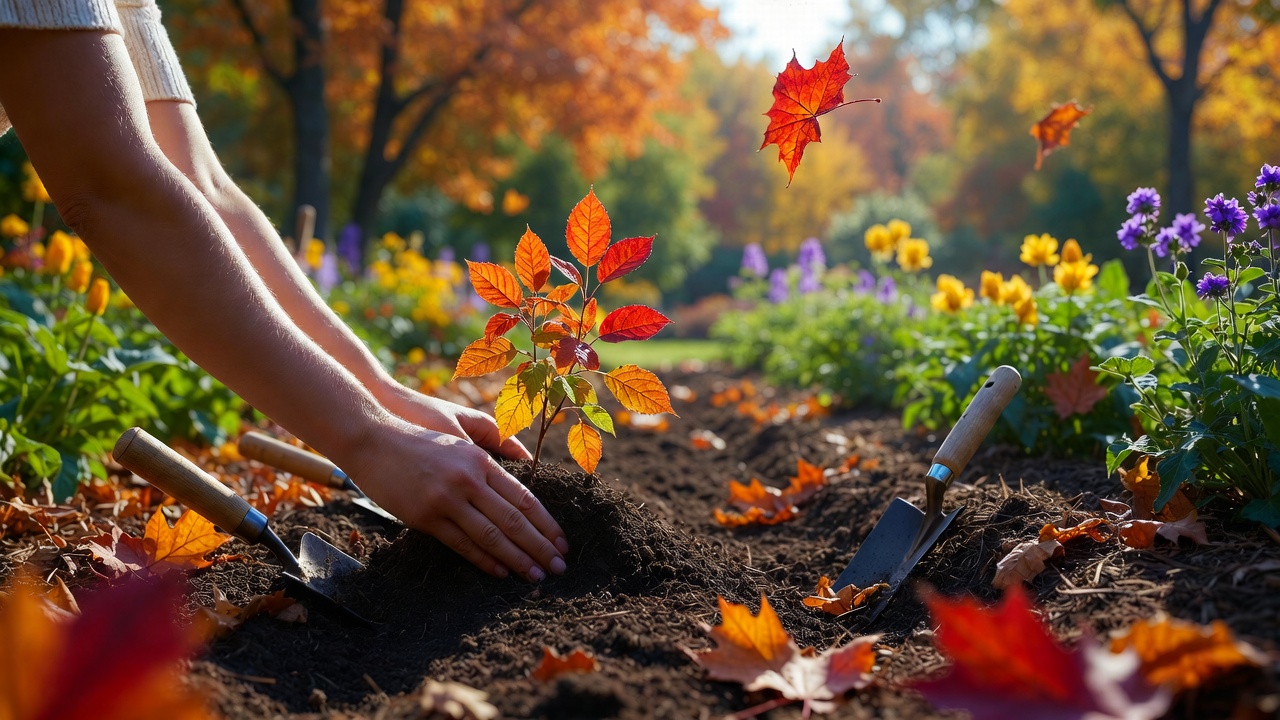
September Fall Garden Transition Checklist: A Practical Early-Fall Guide
September marks the turning point in your garden calendar. As temperatures begin to drop and daylight shortens, your plants shift into a different growth pattern—one that requires a completely different care strategy than summer maintenance. This September fall garden transition checklist will walk you through exactly what to plant, what to stop doing, and how to prepare your beds, lawns, and perennials for the cooler months ahead.
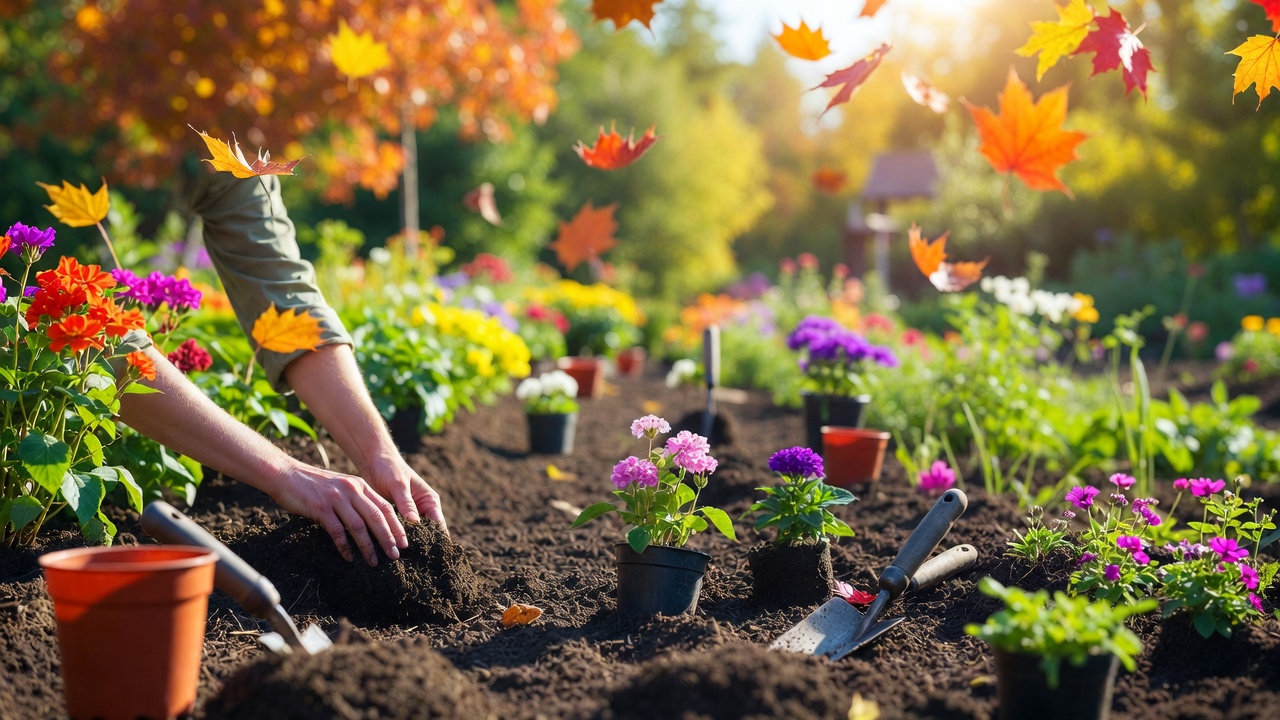
The key to a thriving fall garden isn’t continuing summer practices—it’s shifting your approach entirely. September is your window to get ahead of frost, establish cool-season crops, and set your landscape up for success through winter.
What to Plant in Early Fall
Cool-Season Crops
September is prime planting season for vegetables that thrive in cooler weather. Unlike summer crops that bolt and wilt in heat, cool-season plants actually produce better as temperatures drop.
- Leafy greens: Lettuce, spinach, kale, and arugula can be direct-seeded now and will mature before hard frost. These grow quickly in fall conditions.
- Root vegetables: Carrots, beets, radishes, and turnips planted in early September will have time to develop before winter. Beets especially benefit from fall planting.
- Cruciferous vegetables: Broccoli, cauliflower, and cabbage transplants can go in now. They’ll establish roots before cold weather arrives.
- Peas: Sugar snap and snow peas planted in early September will climb and produce through fall.
- Garlic: Mid-to-late September is the ideal window to plant garlic cloves for next summer’s harvest.
The timing matters: check your local frost date and count backward. Most cool-season crops need 40-60 days to maturity, so plant early enough that they’ll reach harvestable size before the first hard frost.
Fall Perennials and Shrubs
September is also an excellent time to plant perennials and shrubs. The cooler temperatures and typically higher soil moisture mean plants experience less transplant shock and can establish strong root systems before winter dormancy.
- Ornamental grasses: Planting now gives them time to settle before winter.
- Shade perennials: Hostas, ferns, and hellebores transplant well in September.
- Shrubs: Deciduous and evergreen shrubs planted now will be ready to push growth in spring.
- Spring bulbs: Tulips, daffodils, crocuses, and hyacinths should be planted in late September or early October for spring blooms.
Tasks to Stop Doing in September
Ceasing Nitrogen Fertilizing
This is critical: stop applying high-nitrogen fertilizers to ornamental plants, shrubs, and perennials in September. Nitrogen promotes soft, tender new growth that will be killed by the first frost. You’re essentially setting up your plants to fail.
Instead, if you need to fertilize, use a low-nitrogen, phosphorus-rich formula (something like 0-10-10) that encourages root development and hardening off for winter. Alternatively, skip fertilizing ornamentals entirely in fall—they don’t need it.
Reducing Watering Frequency
As temperatures cool and daylight decreases, plants’ water needs drop significantly. Overwatering in fall is one of the most common mistakes homeowners make. Soggy soil in cool weather invites fungal diseases and root rot.
- Check soil moisture before watering—water only when the top inch is dry.
- Water early in the morning to allow any excess to evaporate.
- Reduce frequency by 30-50% compared to summer watering schedules.
- For newly planted trees and shrubs, water deeply but less frequently to encourage deep root growth.
For more detailed guidance on adjusting your watering strategy as seasons change, see our article on late summer lawn watering and irrigation fixes.
Preparing Garden Beds for Fall
Cleaning and Mulching
September is the time to clean up summer debris and reset your beds for fall and winter.
- Remove spent annuals and summer vegetables: Pull out plants that are done producing. Leave perennials standing unless they’re diseased.
- Clear fallen leaves and debris: Remove leaves from beds (though a light layer of shredded leaves can be beneficial as mulch).
- Refresh mulch layers: Add 2-3 inches of fresh mulch around perennials, shrubs, and newly planted trees. This insulates roots and moderates soil temperature swings.
- Weed thoroughly: Fall is an excellent time to remove weeds before they set seed for next year.
Soil Amendments for Fall
September is ideal for amending soil because amendments have time to break down and integrate before spring planting.
- Add compost: Work 1-2 inches of finished compost into the top few inches of soil. This improves structure and adds organic matter.
- Apply lime if needed: If your soil is acidic, fall is the time to apply lime. It works slowly and will be ready by spring.
- Incorporate aged manure: Well-aged manure (at least 6 months old) can be worked into beds now without burning plants.
- Add leaf mold: Shredded leaves mixed into soil break down over winter and improve texture and water retention.
For comprehensive guidance on preparing your property for the season transition, review our September fall home maintenance checklist.
Preparing Lawns for Frost
Lawn Aeration and Overseeding
For cool-season lawns, September is the single best month for aeration and overseeding. The combination of cooler temperatures, typically adequate moisture, and time before frost creates ideal conditions for seed germination and establishment.
- Aerate first: Aeration creates channels for water, nutrients, and air to reach roots. Use a core aerator (not a spike aerator) for best results.
- Overseed immediately after: Spread quality cool-season grass seed over the aerated lawn. The seed will fall into the aeration holes and make excellent soil contact.
- Keep newly seeded areas moist: Water lightly and frequently for 2-3 weeks until seedlings are established. Then transition to deeper, less frequent watering.
- Avoid heavy foot traffic: Keep people and pets off newly seeded areas for at least 3-4 weeks.
For detailed step-by-step instructions, see our complete guide on September lawn aeration and overseeding.
Fertilizing for Fall
Unlike ornamental plants, your lawn benefits from a fall fertilizer application. Use a formula with higher potassium and phosphorus relative to nitrogen (something like 10-10-20). This strengthens root systems and improves winter hardiness.
- Apply fertilizer after aeration and overseeding.
- Water in thoroughly to activate the fertilizer.
- Apply a second dose in late October or early November for maximum benefit.
Dividing and Caring for Perennials
When and How to Divide
Early fall (September through early October) is an excellent time to divide spring-blooming and summer-blooming perennials. The cooler weather and adequate soil moisture reduce transplant stress.
Perennials that divide well in fall:
- Daylilies
- Hostas
- Coneflowers
- Black-eyed Susans
- Phlox
- Sedum
- Ornamental grasses (early September, before they fully harden off)
Division steps:
- Water the perennial thoroughly the day before dividing.
- Dig up the entire plant, getting as much of the root system as possible.
- Gently separate the clumps by hand or use a sharp spade to cut through the crown.
- Each division should have 3-5 shoots and a healthy root section.
- Replant divisions immediately at the same depth they were growing.
- Water thoroughly after planting.
Post-Division Care
Newly divided perennials need consistent moisture for the first 2-3 weeks while they establish new roots. However, don’t overwater—keep soil consistently moist but not waterlogged.
- Apply 2-3 inches of mulch around new divisions to conserve moisture and moderate soil temperature.
- Avoid fertilizing newly divided plants until spring.
- Remove any flower buds that form in fall—let the plant focus energy on root establishment.
- In colder zones, wait until spring to divide fall-blooming perennials like asters and mums.
Additional Early Fall Gardening Tips
- Deadhead spent flowers on perennials and shrubs unless you want them to self-seed. This redirects energy to root development rather than seed production.
- Cut back ornamental grasses only in late fall or early spring—not in September. They provide winter interest and shelter for beneficial insects.
- Prune shrubs carefully: Light pruning is fine, but avoid heavy pruning that stimulates tender new growth. Save major pruning for late winter.
- Plant trees and shrubs in early September to give them maximum time to establish roots before winter dormancy.
- Check for pest and disease issues and address them now before plants go dormant. Fall is often when problems are most visible.
- Clean and sharpen garden tools before storing them for winter. Oil wooden handles and metal parts to prevent rust.
- Drain and store hoses before temperatures drop below freezing to prevent damage.
According to Clemson University’s September garden guide, this is also an ideal time to scout for fall-active pests and plan your spring garden layout.
Conclusion and Seasonal Reminders
Your September fall garden transition checklist is really about shifting mindset: from summer maintenance to fall establishment. Stop practices that made sense in July and August, start new ones that set up success for cooler months, and use this window to plant, divide, and prepare.
The work you do in September—planting cool-season crops, aerating and overseeding lawns, dividing perennials, amending soil, and adjusting watering and fertilizing practices—pays dividends through fall and into spring. You’re not just maintaining your garden; you’re actively improving it.
For a broader view of seasonal preparation, also review our end of summer home maintenance checklist to ensure your entire property is ready for the transition ahead.
Start early in September, work through your checklist systematically, and by the time frost arrives, your garden will be positioned for success.


One thought on “September Fall Garden Transition Checklist: A Practical Early-Fall Guide”