
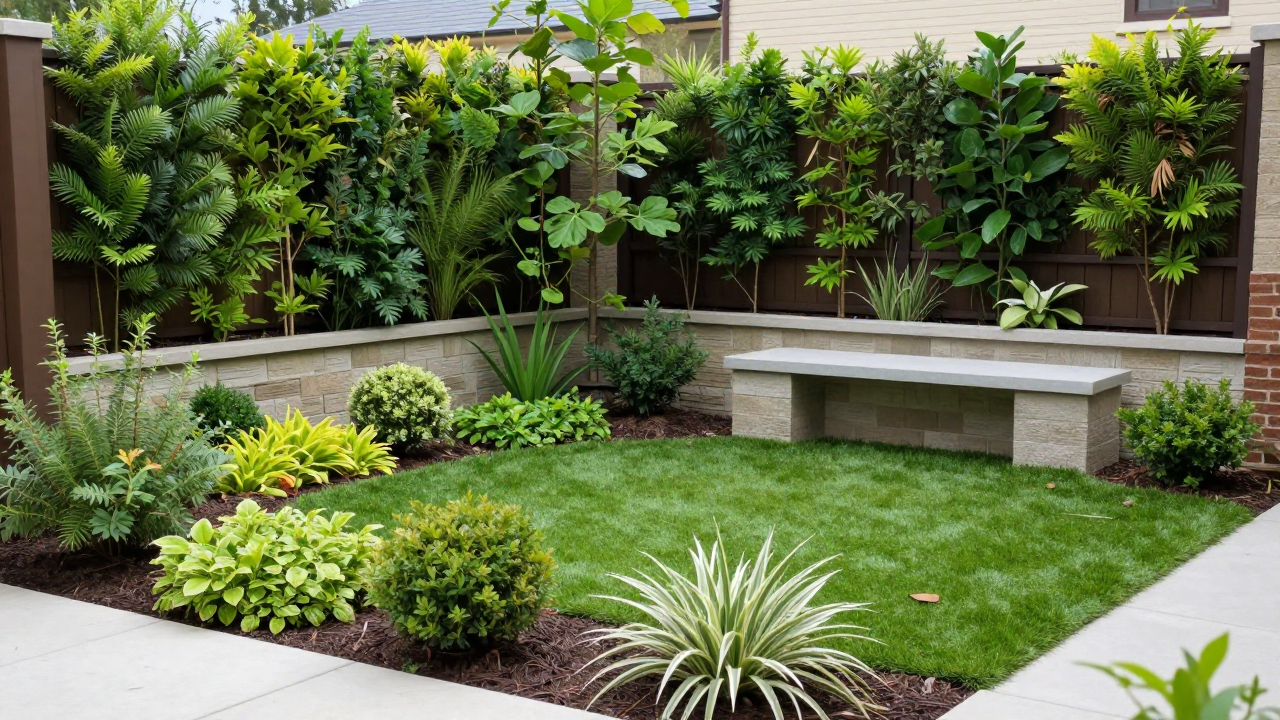
How to Maximize a Small Backyard: Practical Lawn, Ground Cover & Planting Strategies
Learning how to maximize a small backyard doesn’t require a complete overhaul—it requires smart planning and strategic choices. Whether you’re working with a postage-stamp patio or a modest yard, the right combination of lawn alternatives, ground covers, and planting zones can transform limited space into a functional, attractive outdoor living area that works year-round.
Why Maximizing Small Backyard Space Matters
Small backyards often feel cramped, underutilized, or like an afterthought to home design. But outdoor space—no matter how limited—adds real value to your property and quality of life. A well-planned small backyard serves multiple purposes: it improves curb appeal, provides a retreat for relaxation, and can even increase your home’s resale value. The key is working with what you have rather than fighting against space constraints.
The difference between a cluttered small yard and a maximized one comes down to intentional design choices. This guide walks you through proven strategies to get the most from every square foot.
Assessing Your Small Backyard: Space and Sunlight Analysis
Before making any changes, take time to understand your yard’s existing conditions. This foundation work prevents costly mistakes and ensures your design choices actually work for your space.
Measure and Map Your Space
Grab a measuring tape and sketch your yard to scale on graph paper or use a simple digital tool. Note:
- Total square footage
- Existing structures (fence, shed, deck, patio)
- Utilities (water lines, electrical boxes)
- Slopes or drainage patterns
- Problem areas (compacted soil, bare patches, wet spots)
This map becomes your planning tool. You’ll reference it when deciding where to place plantings, seating areas, or ground covers.
Track Sunlight Throughout the Day
Sunlight exposure determines what will thrive in your yard. Spend a day observing your space:
- Full sun: 6+ hours of direct sunlight (best for most flowering plants and traditional turf)
- Partial shade: 3–6 hours of sunlight (ideal for many ground covers and shade-tolerant plants)
- Full shade: Less than 3 hours (requires shade-loving options like moss or hostas)
Mark these zones on your map. This prevents planting sun-lovers in shade or vice versa, which wastes money and leads to poor results.
Turf Alternatives: Pros and Cons of Artificial Turf, Clover, and Moss Lawns
Traditional grass isn’t always the best choice for small backyards. Limited space means every plant choice matters. Here are three alternatives worth considering:
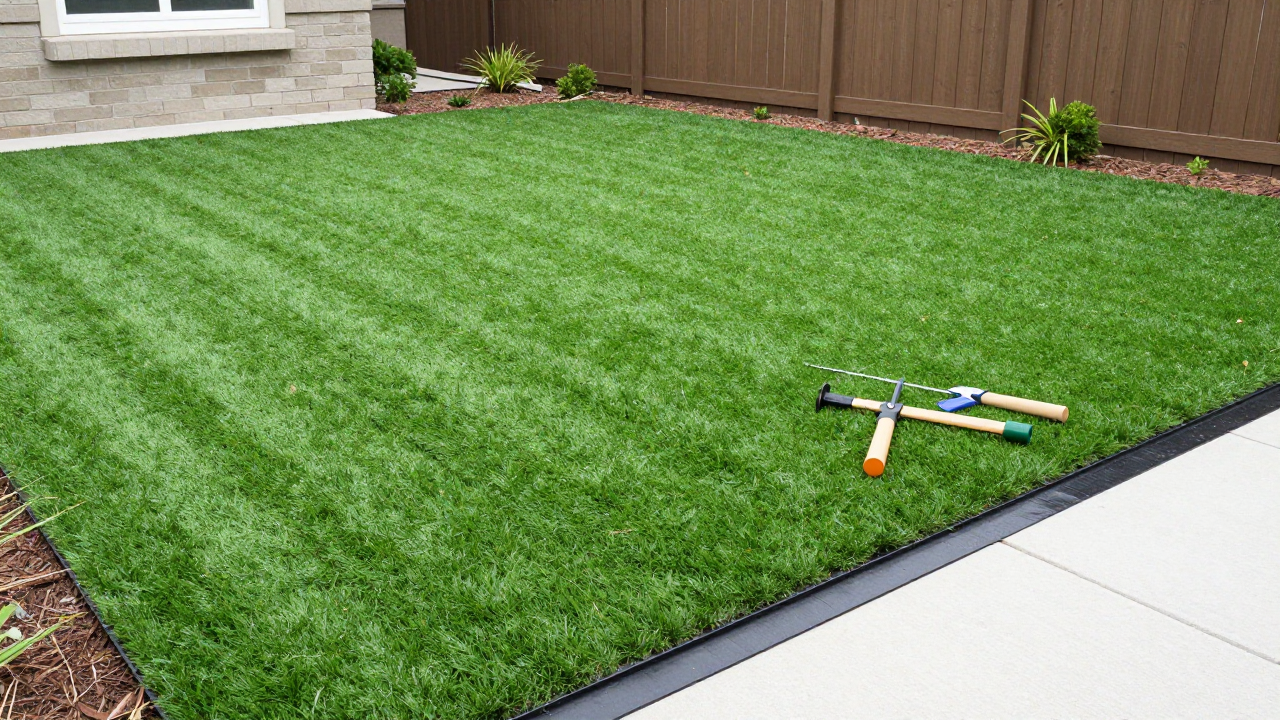
Artificial Turf
Pros:
- No mowing, watering, or seasonal maintenance
- Stays green year-round
- Durable and long-lasting (10–15 years)
- Works in any light condition
Cons:
- High upfront cost ($8–$15 per square foot installed)
- Requires proper drainage installation underneath
- Can feel plastic-like and heat up in direct sun
- Not biodegradable; disposal is an environmental concern
Best for: Small spaces where you want zero maintenance and don’t mind the initial investment.
Clover Lawns
Pros:
- Low maintenance—tolerates shade and poor soil
- Nitrogen-fixing (improves soil naturally)
- Drought-tolerant once established
- Inexpensive to seed or overseed
- Attracts pollinators
Cons:
- Not suitable for heavy foot traffic
- Flowers can attract bees (concern for some households)
- Requires occasional mowing to keep neat
Best for: Low-traffic small yards or as a partial lawn mix with traditional grass.
Moss Lawns
Pros:
- Thrives in shade where grass fails
- Soft, attractive appearance
- Minimal fertilizer or chemicals needed
- No mowing required
Cons:
- Doesn’t tolerate heavy traffic
- Requires consistent moisture
- Can be slow to establish
- Not suitable for sunny areas
Best for: Shaded small yards where foot traffic is minimal.
Strategic Planting Zones: Creating Functional and Aesthetic Spaces
Instead of scattering plants randomly, divide your small backyard into functional zones. This creates the illusion of more space and ensures each area serves a purpose.
Privacy Zone
Use vertical elements to create privacy without consuming floor space:
- Tall shrubs or ornamental grasses: Plant in a single row along property lines
- Climbing vines: Train ivy or clematis on a trellis to create a living wall
- Bamboo screens: Lightweight and quick-growing privacy barriers
Choose plants that stay within your space’s sunlight conditions. A 4–6 foot privacy screen is tall enough to block sightlines without overwhelming a small yard.
Shade Zone
If your yard gets hot afternoon sun, create a shaded retreat:
- Plant a small tree or large shrub on the south or west side
- Install a pergola or shade sail for immediate relief
- Use shade-tolerant ground covers beneath trees (see next section)
Shade zones instantly make small backyards feel more inviting and usable during summer months.
Color and Seasonal Interest Zone
Dedicate a small planting bed to seasonal color:
- Spring: Tulips, daffodils, or flowering shrubs
- Summer: Perennials like coneflowers, black-eyed Susans, or zinnias
- Fall: Ornamental grasses, sedum, or mums
- Winter: Evergreens, winter berries, or colorful bark shrubs
Layering plants by height (tall in back, short in front) maximizes visual impact in limited space.
Low-Maintenance Ground Cover Choices: Options Beyond Grass
Ground covers fill space efficiently, suppress weeds, and require far less maintenance than traditional lawn. Here are practical options for small backyards:
Creeping Thyme
Characteristics: Low-growing (2–6 inches), fragrant, and blooms with pink or purple flowers in summer.
Growing conditions: Full sun to partial shade; drought-tolerant once established; prefers well-draining soil.
Maintenance: Minimal. Trim back in spring if needed. Tolerates light foot traffic.
Best for: Sunny pathways, between pavers, or as a lawn alternative.
Sedum (Stonecrop)
Characteristics: Succulent ground cover with fleshy leaves in various colors (green, red, purple). Blooms in late summer.
Growing conditions: Full sun to partial shade; extremely drought-tolerant; thrives in poor soil.
Maintenance: Nearly zero. No watering after establishment. Cut back dead growth in spring.
Best for: Dry, sunny areas; rock gardens; or containers.
Mondo Grass
Characteristics: Evergreen, grass-like foliage (dark green or variegated). Stays neat year-round.
Growing conditions: Partial shade to full shade; tolerates poor soil; moderate water needs.
Maintenance: Low. Occasional watering during drought. No mowing. Divides easily for propagation.
Best for: Shaded areas where grass won’t grow; edging; or under trees.
Ajuga (Bugleweed)
Characteristics: Fast-spreading, low-growing (6–12 inches). Purple, pink, or white flower spikes in spring.
Growing conditions: Partial shade to full shade; tolerates most soils; moderate water.
Maintenance: Low. Can be aggressive, so contain in small spaces. Mow or trim after flowering.
Best for: Shaded problem areas; under trees; or as a lawn replacement in shade.
Liriope (Lilyturf)
Characteristics: Grass-like clumps with purple or white flower spikes in late summer. Evergreen.
Growing conditions: Full sun to partial shade; drought-tolerant; thrives in poor soil.
Maintenance: Very low. Cut back in early spring. Divide every 3–4 years if desired.
Best for: Borders, edging, or as a lawn alternative in transitional light.
Space-Smart Planting Techniques: Vertical Gardening, Containers, and Layering
When square footage is limited, think vertically. These techniques multiply your growing space without expanding your footprint.
Vertical Gardening
Use walls, fences, and trellises to grow upward:
- Wall-mounted planters: Attach shallow pockets or shelves to fences or walls for herbs, succulents, or small perennials
- Trellises and arbors: Train climbing vines, beans, or cucumbers to create living screens
- Hanging baskets: Suspend from pergolas or fence brackets for trailing plants
Vertical gardening also improves air circulation and makes maintenance easier since you’re not bending to ground level.
Container Gardening
Containers offer flexibility and control in small spaces:
- Group containers in odd numbers (3 or 5) for visual appeal
- Use varied heights to create depth
- Choose containers in complementary colors or materials
- Mix perennials, annuals, and foliage for year-round interest
Containers also let you move plants to optimize sunlight and protect tender specimens during harsh weather.
Layered Planting
Maximize visual impact and functionality by layering plants by height:
- Back layer (tall): Shrubs, small trees, or tall perennials (3–6 feet)
- Middle layer (medium): Flowering shrubs or mid-height perennials (1–3 feet)
- Front layer (short): Ground covers, low perennials, or edging plants (under 12 inches)
This tiered approach ensures every plant is visible and receives appropriate light, and it makes small spaces feel fuller and more intentional.
Seasonal Care Tips: Maintaining Your Small Backyard Year-Round
A small backyard requires consistent but manageable maintenance. Here’s what to prioritize each season:
Spring
- Clear winter debris and dead plant material
- Refresh mulch in planting beds (2–3 inches)
- Divide or transplant perennials as they emerge
- Plant new ground covers and perennials after last frost
- Start container plantings with annuals
Summer
- Water deeply but less frequently to encourage deep root growth
- Deadhead spent flowers to promote blooming
- Monitor for pests or disease, especially in humid climates
- Mulch around plants to retain moisture and regulate soil temperature
- Trim back overgrown ground covers to maintain shape
Fall
Check out our September Fall Garden Transition Checklist for a comprehensive guide to preparing your yard for cooler weather. Key tasks include:
- Plant spring-blooming bulbs (tulips, daffodils, crocus)
- Cut back perennials as they fade
- Reduce watering as temperatures drop
- Add fall-interest plants like ornamental grasses or mums
Winter
- Protect tender plants with mulch or burlap if in cold climates
- Prune dormant shrubs and trees
- Plan next year’s layout during quiet months
- Maintain hardscape (clean pavers, repair edging)
Quick Wins for Instant Small Backyard Improvement
If you want faster results while planning longer-term changes, consider these immediate upgrades. Our guide on Small Hardware and Surface Swaps That Instantly Refresh Any Room covers design principles that apply outdoors too—small changes create big visual impact. For your backyard, this means:
- Paint or stain fencing to create a cohesive backdrop
- Add a fresh layer of mulch to beds
- Install low-voltage landscape lighting to extend usability
- Place a single statement plant or focal point (large shrub, urn, or sculpture)
Conclusion: Smart Design Makes Small Backyards Feel Bigger
Maximizing a small backyard comes down to three principles: assess what you have, choose the right plants and ground covers for your conditions, and use vertical and layered planting to multiply your space. You don’t need a large yard to create an attractive, functional outdoor area. With strategic planning, the right alternatives to traditional turf, and consistent seasonal care, even the smallest backyard can become a retreat you’ll use and enjoy year-round.
Start with your sunlight map and one functional zone. Add ground covers or turf alternatives that match your site conditions. Layer in seasonal color. The result: a small backyard that feels intentional, well-maintained, and genuinely maximized.
2 thoughts on “How to Maximize a Small Backyard: Practical Lawn, Ground Cover & Planting Strategies”