Spring Home Maintenance Checklist: Essential Tasks to Prepare Your Home for Summer
A spring home maintenance checklist is your roadmap to catching winter damage before it becomes expensive summer problems. After months of cold weather, snow, ice, and temperature swings, your home’s exterior systems need inspection and repair. This guide walks you through the essential tasks that will protect your investment, improve energy efficiency, and ensure your home is ready for warm weather.
Why Spring Maintenance Matters
Spring is the ideal time to address maintenance because winter damage is visible, the weather is workable, and you can prevent small issues from becoming costly repairs. Frozen pipes may have cracked, roof shingles may have lifted, gutters may be clogged with debris, and siding may have gaps. Tackling these problems now—before summer heat arrives—protects your home’s structural integrity and keeps your cooling costs reasonable.
Preventive maintenance also extends the life of major systems like HVAC units, roofing, and plumbing. A spring inspection often catches problems that would otherwise go unnoticed until they fail mid-summer, when contractors are busiest and prices are highest.
Exterior Inspection & Repairs
Roof and Fascia Inspection
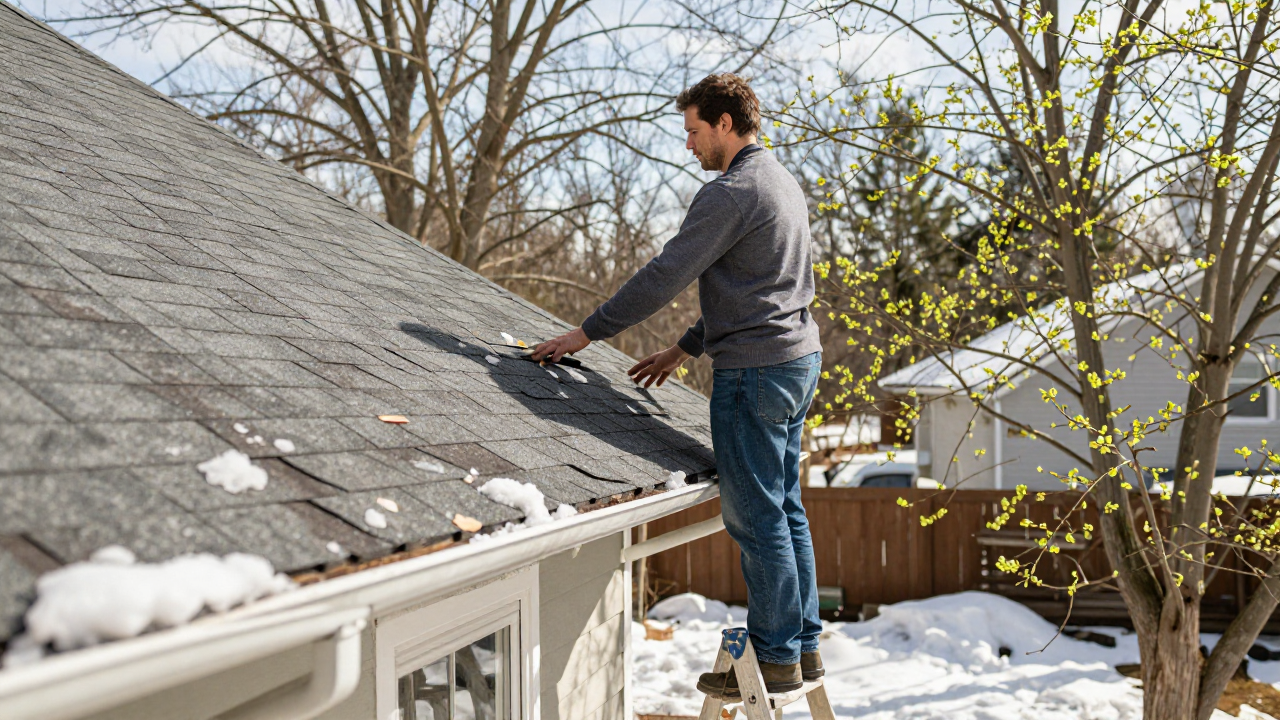
Start at the top. Walk around your home’s perimeter and look up at the roof line. Check for:
- Missing, cracked, or curled shingles
- Lifted shingle edges (a sign of ice dam damage)
- Granule loss (bald spots on shingles)
- Fascia boards that are rotted, cracked, or pulling away
- Flashing around vents, chimneys, or skylights that’s loose or rusted
If you spot damage, document it with photos. Minor issues like a few missing shingles or small cracks in fascia can often be repaired yourself or by a handyman. Significant roof damage—large bare patches, widespread lifting, or sagging sections—warrants a professional roofer’s assessment.
Gutter Cleaning and Repair
Gutters clogged with leaves, twigs, and winter debris can’t drain properly, leading to water pooling, foundation damage, and ice dams next winter. Clean gutters thoroughly and check for:
- Sagging sections (indicates standing water or debris weight)
- Rust spots or holes
- Loose or missing fasteners
- Separated seams where sections connect
Reattach loose gutters with new fasteners, seal small holes with roofing cement, and replace severely rusted sections. If your gutters are more than 20 years old or have multiple problem areas, replacement may be more cost-effective than patching.
Siding and Foundation Checks
Walk the full perimeter of your home and inspect siding for:
- Cracks, splits, or warping (especially after freeze-thaw cycles)
- Missing or damaged boards or shingles
- Peeling paint or stain
- Gaps where siding meets trim or corners
At ground level, check your foundation for new cracks, especially horizontal cracks or those wider than 1/4 inch, which may indicate structural movement. Look for water stains or efflorescence (white mineral deposits) that suggest moisture intrusion.
Minor cracks in concrete can be sealed with concrete caulk. Larger cracks or signs of water damage should be evaluated by a professional. Address siding gaps immediately—they’re entry points for insects and water.
Caulking and Weatherstripping
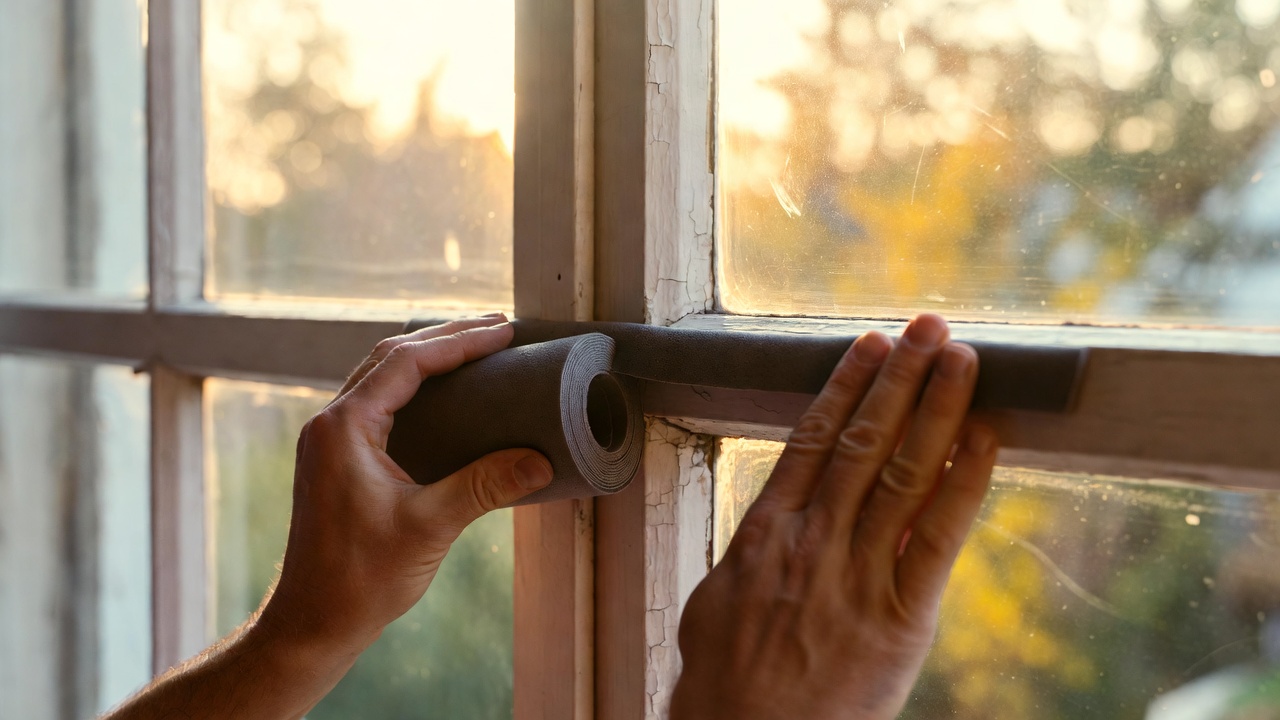
Winter weather hardens and cracks caulk around windows, doors, and trim. Inspect all exterior caulk lines and replace any that are cracked, missing, or pulling away. Use 100% silicone or acrylic latex caulk rated for exterior use.
Check weatherstripping on doors and windows. If it’s compressed, cracked, or no longer seals gaps, replace it. Good weatherstripping reduces air leaks and keeps cooling costs down in summer.
HVAC System Preparation
AC Unit Inspection
Before you need air conditioning, inspect your outdoor AC unit for winter damage:
- Bent or dented fins on the condenser coil
- Debris (leaves, twigs, dirt) clogging the unit
- Refrigerant leaks (oily residue around connections)
- Loose or corroded electrical connections
- Vibration or unusual noise when running
Clear debris from around the unit and gently straighten bent fins with a fin comb (available at hardware stores). If you notice refrigerant leaks or electrical issues, call an HVAC technician—these are not DIY repairs.
Filter Replacement
Replace your furnace/AC filter before the cooling season starts. A clogged filter reduces airflow, forces your system to work harder, and increases energy costs. Most standard filters should be replaced every 1–3 months during heavy-use seasons. If you have pets or allergies, replace filters more frequently.
Mark your calendar to check filters monthly during summer. A clean filter is one of the easiest ways to keep your system efficient and extend its lifespan.
Professional HVAC Servicing
Schedule a professional AC tune-up in spring, before cooling season demand peaks. A technician will:
- Check refrigerant levels and top up if needed
- Clean evaporator and condenser coils
- Test thermostat calibration
- Inspect electrical components and connections
- Lubricate moving parts
- Run a full system test
Spring servicing is cheaper than emergency repairs in July, and it ensures your system runs at peak efficiency all summer.
Landscaping & Yard Readiness
Lawn Assessment
As grass greens up, assess your lawn’s health. Look for:
- Dead patches or bare spots (may need reseeding)
- Compacted areas (may need aeration)
- Moss or thatch buildup
- Weed invasion
If your lawn is thin or patchy, spring is the ideal time to overseed cool-season grasses. For compacted soil, aeration in spring (or early fall for cool climates) improves root growth and water penetration. For lawn mowing, follow the correct mowing height for your grass type to promote healthy growth and reduce stress.
Garden Bed Preparation
Before planting, prepare garden beds by:
- Removing winter mulch and debris
- Loosening compacted soil
- Adding compost or aged manure to improve soil structure
- Testing soil pH if you’re growing vegetables or acid-loving plants
- Removing winter weeds before they spread
Refresh mulch after bed prep—a 2–3 inch layer suppresses weeds, retains moisture, and moderates soil temperature. Keep mulch 6 inches away from tree trunks to prevent rot and pest issues.
Tree and Shrub Inspection
Inspect trees and shrubs for:
- Winter damage (broken branches, split trunks, frost cracks)
- Dead wood (prune it out)
- Signs of disease or pest damage
- Branches hanging over the roof or touching siding
Prune dead or damaged branches as soon as you notice them. Trim back branches that overhang the roof or rub against siding—they can damage gutters and allow pests access to your home. Spring pruning encourages healthy new growth.
Interior Systems Check
Plumbing Inspection
Winter freezes can crack pipes or damage connections. Check for:
- Water stains on ceilings or walls (sign of a leak above)
- Dripping faucets or leaking under sinks
- Slow drains (may indicate a blockage)
- Discolored water (rust or mineral buildup)
- Soft spots in flooring near water lines
Test all outdoor faucets and hose bibs to ensure they’re working and don’t leak. If you find leaks, address them promptly—a small drip wastes thousands of gallons annually and can lead to mold and structural damage. For common plumbing issues, many repairs are manageable DIY projects, but major leaks or burst pipes require a plumber.
Window and Door Seals
Check that windows and doors close and seal properly. Look for:
- Drafts (use a candle flame or incense stick to detect air movement)
- Condensation between panes (indicates failed seals)
- Cracked or missing glazing compound around panes
- Doors that don’t latch smoothly or leave gaps
Tighten hinges, adjust strike plates, and replace weatherstripping as needed. Good seals reduce summer cooling costs and keep insects out.
Spring Home Maintenance Checklist: Printable Summary
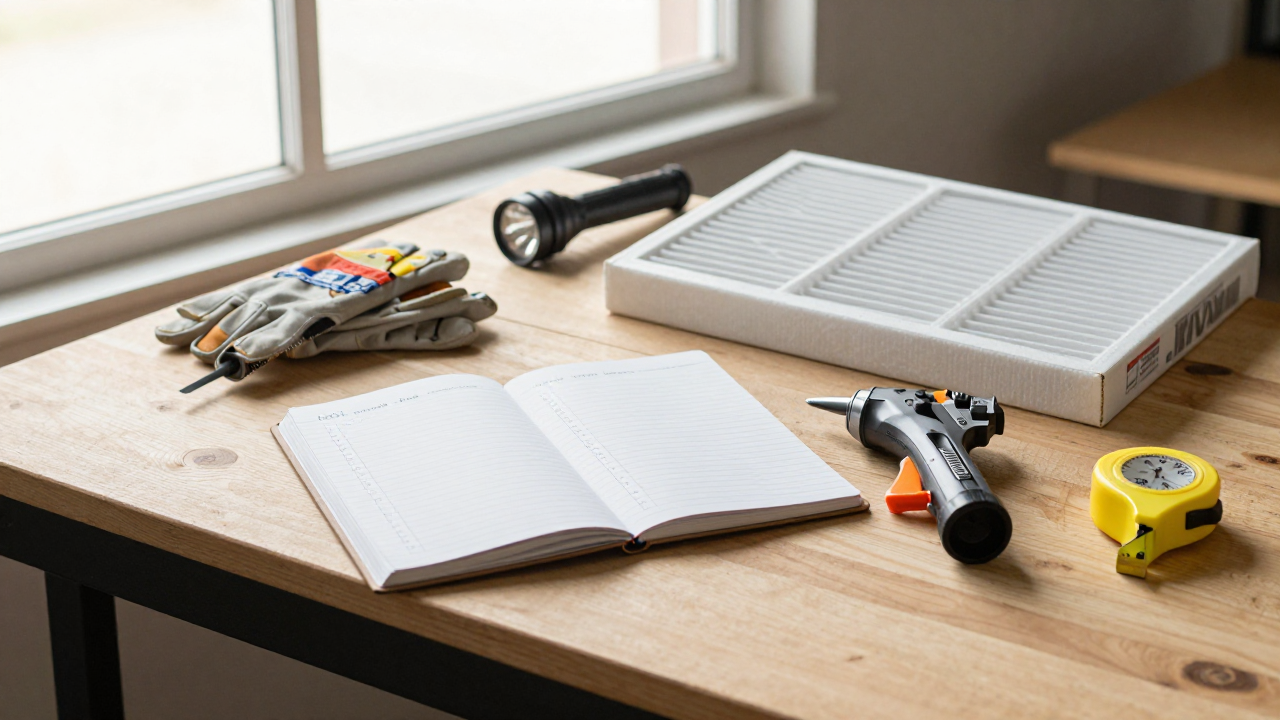
Use this quick reference to track your spring maintenance tasks:
- Roof & Fascia: Inspect for damage, missing shingles, loose flashing
- Gutters: Clean debris, check for sagging and rust, repair or replace as needed
- Siding & Foundation: Look for cracks, gaps, water stains, and signs of movement
- Caulk & Weatherstripping: Replace cracked or missing exterior caulk and door/window seals
- AC Unit: Clear debris, straighten bent fins, check for leaks
- HVAC Filter: Replace furnace/AC filter before cooling season
- Professional HVAC Service: Schedule tune-up before peak summer demand
- Lawn: Assess health, overseed bare spots, plan aeration if needed
- Garden Beds: Remove debris, add compost, refresh mulch
- Trees & Shrubs: Prune dead wood, remove branches over roof
- Plumbing: Check for leaks, test outdoor faucets, inspect for water damage
- Windows & Doors: Test seals, adjust hinges, replace weatherstripping
Timeline & Action Plan
Early Spring (March–April): Focus on exterior inspection and repairs. Check roof, gutters, siding, and foundation while damage is visible. Schedule HVAC tune-up early before technicians get busy.
Mid-Spring (April–May): Complete HVAC filter replacement and professional servicing. Begin lawn and garden prep as soil becomes workable. Overseed lawns and prepare beds for planting.
Late Spring (May–June): Finish landscaping tasks. Verify all exterior caulk and weatherstripping is complete. Test AC system to ensure it’s running smoothly before summer heat arrives.
By tackling tasks in this order, you’ll catch and repair winter damage before it worsens, ensure your cooling system is ready, and set up your lawn and gardens for a healthy growing season.
Getting Ahead of Summer Issues
A thorough spring maintenance routine prevents costly emergency repairs and keeps your home running efficiently all summer. The small investment in time and materials now—replacing a filter, caulking gaps, cleaning gutters, scheduling an HVAC tune-up—pays dividends in avoided damage, lower utility bills, and peace of mind.
Don’t wait for problems to appear. Walk your property with this checklist in hand, document what you find, and tackle repairs in order of priority. If a task is beyond your skill level, hire a professional. The cost of a contractor’s visit is far less than the cost of water damage, mold, or a failed AC system in July.
Spring maintenance is preventive medicine for your home. Do it now, and you’ll enjoy a comfortable, trouble-free summer.