Month-by-Month Outdoor Hosting Ideas: Plan Seasonal Entertaining for Your Patio
Month-by-month outdoor hosting ideas transform your patio from a seasonal afterthought into a year-round entertaining hub. Rather than scrambling when guests arrive, planning your outdoor space according to weather patterns, daylight hours, and seasonal themes ensures you’re always ready to host. This guide walks you through every season with practical setup strategies, weather-appropriate entertainment concepts, and maintenance tasks that keep your outdoor space functional and inviting from January through December.
Why Monthly Planning Matters for Outdoor Entertaining
Most homeowners treat outdoor entertaining as a summer-only activity. That mindset leaves your patio unused for eight months and forces you to make expensive, last-minute upgrades when you finally decide to host. Strategic monthly planning prevents this waste.
Seasonal planning lets you:
- Invest in infrastructure during off-seasons when contractors have availability
- Rotate furniture and decor based on weather conditions
- Time landscape work to align with natural growth cycles
- Spread entertaining costs across the year instead of cramming everything into summer
- Develop hosting traditions tied to specific months and themes
The result: a patio that works for you every month, not just July and August.
January–February: Cold-Weather Hosting
Winter outdoor entertaining sounds counterintuitive, but it’s where memorable gatherings happen. The key is creating warmth and coziness.
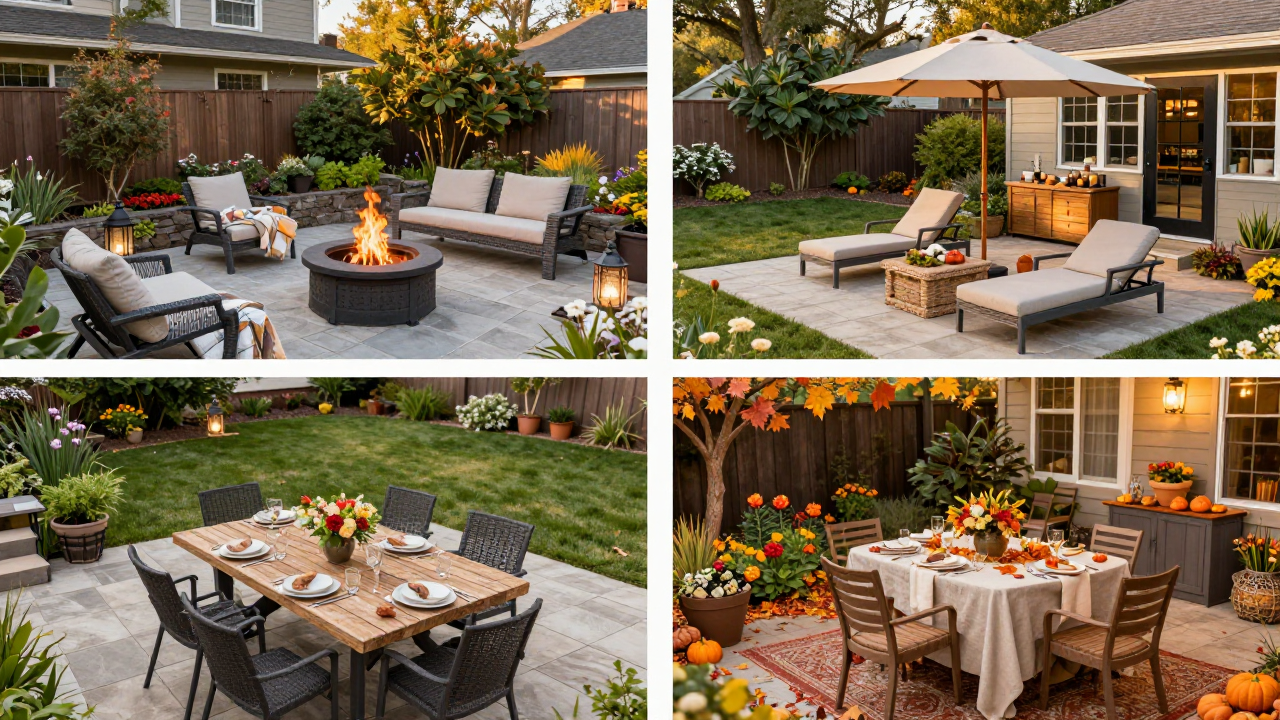
Fire Pit and Heat Strategy: A fire pit becomes the centerpiece of winter gatherings. If you don’t have one, winter is the ideal installation window—contractors are less booked, and you’ll have months to enjoy it before summer. Position seating in a circle around the pit with weatherproof cushions. Provide blankets in a basket for guests who get chilly.
Beverage Stations: Swap iced drinks for hot ones. Set up a self-serve station with thermoses of hot cider, coffee, or hot chocolate. Add a small outdoor heater nearby if your budget allows—even a tabletop propane model makes a difference.
Covered Space: A covered patio or pergola with a heater becomes essential. If you lack overhead coverage, consider a temporary solution like a market umbrella with a patio heater mounted underneath.
Timing: Host earlier in the day when temperatures are highest. Afternoon gatherings (2–5 PM) feel warmer than evening events.
March–April: Spring Transition
Spring is when your outdoor space wakes up. This is the time to prep for the busy entertaining months ahead.
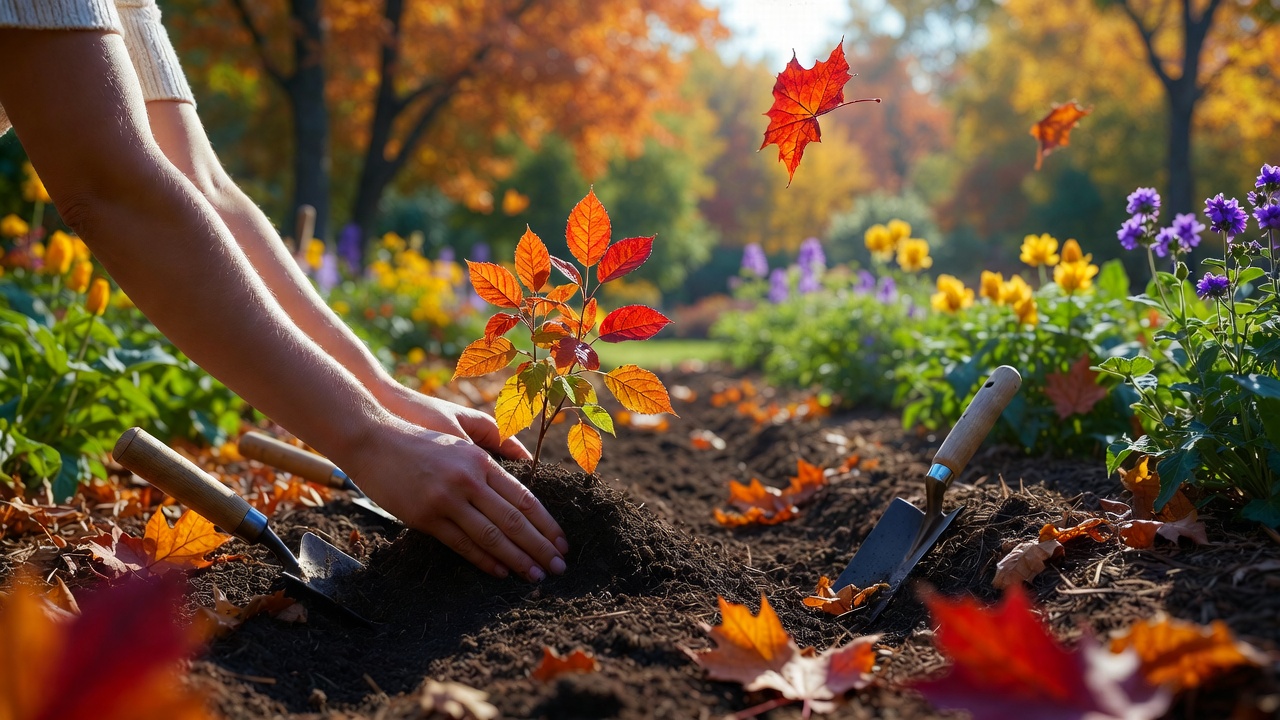
Garden and Landscape Prep: March and April are optimal for planting, mulching, and refreshing landscaping. Prune winter-damaged branches, add fresh mulch to beds, and plant perennials that will bloom through summer. A well-maintained garden is half your decor work done.
Lighter Gatherings: Spring weather is unpredictable. Host smaller, shorter events—afternoon tea, casual coffee meetups, or brunch gatherings. These require less setup than full dinner parties and can be moved indoors quickly if needed.
Bug Management: Before bugs become a problem, install or repair screens on any outdoor structures. Stock citronella candles, bug spray, and consider a mosquito-repelling fan. Mosquitoes breed in standing water, so empty any containers or bird baths weekly.
Furniture Refresh: Clean and inspect all outdoor furniture. Replace broken cushions, tighten bolts, and apply fresh sealant to wood pieces. This maintenance now prevents mid-summer furniture failures.
May–June: Early Summer
May and June mark peak entertaining season. Temperatures are comfortable, daylight extends late, and guests are eager to gather outdoors.
Shade Solutions: Afternoon sun becomes intense. Install or deploy shade structures—retractable awnings, shade sails, or umbrellas. Position them to cover seating areas without blocking evening breezes. Shade reduces heat stress on guests and protects food from spoiling quickly.
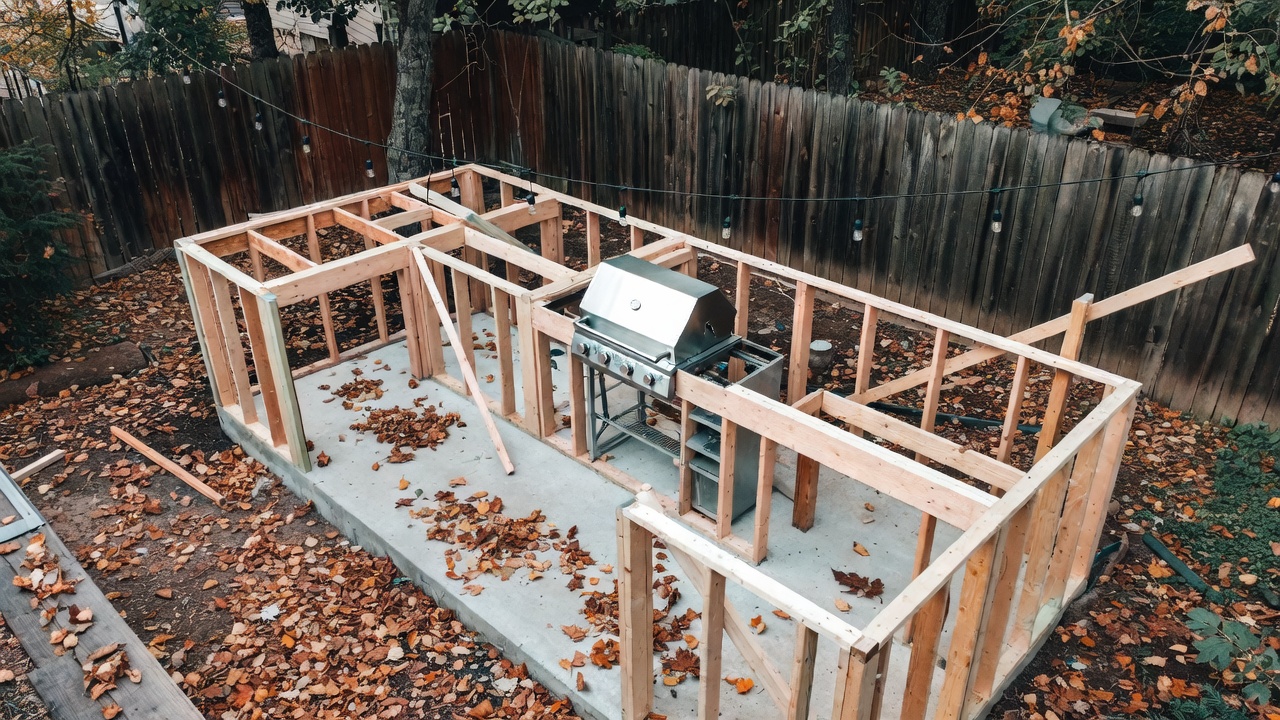
Larger Group Setup: May and June weather is stable enough for bigger gatherings. Arrange furniture in conversation clusters rather than one long table. Create multiple seating zones so guests can move around. If you’re planning outdoor kitchen upgrades, learn how to build an outdoor kitchen now—these projects take time and are best completed before peak summer heat.
Lighting Plan: Days are long, but evening entertaining still requires good lighting. String lights, solar path lights, and lanterns create ambiance. Install these now rather than scrambling in July.
Hydration Station: Set up a self-serve water and beverage station. Guests should never have to ask for a drink. Include ice, glasses, and a variety of beverages.
July–August: Peak Summer
Summer heat peaks in July and August. Hosting during these months requires strategic heat management and timing.
Heat Management: Afternoon temperatures can exceed 90°F. Host earlier (brunch, lunch) or later (sunset gatherings, evening dinners). Provide abundant shade, fans, and cold beverages. A misting system or spray bottle station helps guests cool off.
Hydration Stations: This isn’t optional—it’s essential. Provide multiple water stations throughout your outdoor space. Include electrolyte drinks, not just plain water. Offer cold towels or face spray for guests to refresh themselves.
Food Safety: Heat accelerates food spoilage. Keep hot foods hot (use chafing dishes) and cold foods cold (use ice baths). Minimize time food sits exposed. Consider lighter fare—salads, cold pasta, fruit—that’s less affected by heat.
Timing Strategies: Schedule gatherings for early morning (8–11 AM), late afternoon (5–8 PM), or evening (after 8 PM). Avoid the 12–4 PM window when heat is most intense. Evening events feel more festive anyway and require less food preparation.
September–October: Fall Entertaining
Fall is a second peak entertaining season. Temperatures cool, humidity drops, and the landscape becomes visually stunning.
Harvest Themes: Lean into seasonal decor. Use pumpkins, corn stalks, mums, and fall-colored linens. These are inexpensive and create instant atmosphere. Host harvest dinners, apple-picking parties, or bonfire gatherings.
Extended Season: September and October weather is ideal for outdoor entertaining. Days are still long enough for evening events, and temperatures are comfortable. This is when to host your larger dinner parties and garden celebrations.
Weather Shifts: Fall weather changes rapidly. Have a backup plan for every outdoor event. Keep a tent or covered area ready. Check forecasts 10 days out and adjust timing if needed. Prepare your garden for the fall transition to ensure outdoor spaces remain attractive through season changes.
Maintenance Window: Early fall is ideal for landscape work. Aerate and overseed your lawn now—these tasks improve your yard’s appearance for fall entertaining and set it up for spring. Trim trees and shrubs before leaves fall.
November–December: Holiday Outdoor Hosting
Holiday entertaining outdoors requires intentional planning, but the payoff is memorable gatherings.
Lighting as Decor: String lights, pathway lights, and uplighting transform your outdoor space. Install these early in November before weather becomes too harsh. Warm white lights create coziness; colored lights add festivity. Solar options reduce electricity costs.
Heating Solutions: Outdoor heaters—propane, electric, or fire pits—become essential. Provide blankets and encourage guests to dress warmly. A heated patio feels like an extension of your home rather than a cold outdoor space.
Festive Setups: Decorate with wreaths, garland, and weather-resistant ornaments. Use outdoor-rated tablecloths and runners. Set up hot beverage stations with spiced cider, mulled wine, or hot chocolate. These small touches make outdoor holiday gatherings feel intentional, not like a last resort.
Timing: Host earlier in the day or early evening. Darkness comes early in December, so 4–7 PM gatherings feel appropriately festive without being uncomfortably late.
Year-Round Essentials
Beyond monthly themes, certain elements keep your outdoor space functional year-round.
Furniture Investment: Quality outdoor furniture is expensive but essential. Choose weather-resistant materials—teak, aluminum, or high-quality resin. Invest in a good patio table and chairs that work in multiple seasons. Add cushions that can be stored indoors during harsh weather.
Storage Solutions: You need accessible storage for seasonal items—cushions, blankets, heaters, lighting, decor. Maximize vertical storage and hidden space with deck boxes, wall-mounted shelving, or a garden shed. Organized storage means you can quickly deploy seasonal items without clutter.
Maintenance Between Seasons: Clean furniture before storing it. Drain propane tanks before winter. Inspect heaters and lighting for damage. Refresh mulch and trim landscaping. This preventative work prevents expensive repairs and keeps your space guest-ready.
Decor Rotation: Keep a seasonal decor kit for each quarter. Spring might include pastel linens and fresh flowers. Summer adds bright colors and tropical accents. Fall brings warm tones and harvest elements. Winter features lights and festive touches. Rotating decor keeps your space feeling fresh without requiring new purchases.
Building Your Seasonal Entertaining Calendar
Now that you understand what each season offers, create your personal entertaining calendar.
Step 1: Identify Your Preferred Months. Which seasons feel most comfortable to you? If you hate heat, focus on spring and fall. If you love cozy gatherings, winter is your season. Plan your largest events during your favorite months.
Step 2: Map Infrastructure Projects. When will you install that fire pit, outdoor kitchen, or shade structure? Schedule these during off-peak seasons when contractors have availability and weather is manageable. Use your entertaining calendar to guide timing.
Step 3: Plan Specific Events. Don’t just think “I’ll host in summer.” Plan actual events: “Easter brunch in April, Father’s Day lunch in June, harvest dinner in October, holiday party in December.” Specific plans create accountability and help you prepare properly.
Step 4: Prepare Seasonal Kits. Before each season, gather necessary items—furniture, decor, heating/cooling equipment, lighting. Having everything ready means you can host on short notice without scrambling.
Month-by-month planning transforms outdoor entertaining from stressful to seamless. You’ll use your patio year-round, spread costs across seasons, and create memorable gatherings in every month. Start planning now, and by next January, you’ll be hosting winter fire pit gatherings like a pro.