September Lawn Aeration and Overseeding: The Best Early-Fall Guide for Cool-Season Yards
As summer heat fades and September arrives, your cool-season lawn is ready for its most critical recovery window of the year. September lawn aeration and overseeding addresses the compaction, thin patches, and heat stress that plague most lawns after months of intense sun and foot traffic. This early-fall strategy isn’t optional—it’s the difference between a struggling yard and a thick, healthy lawn heading into winter.
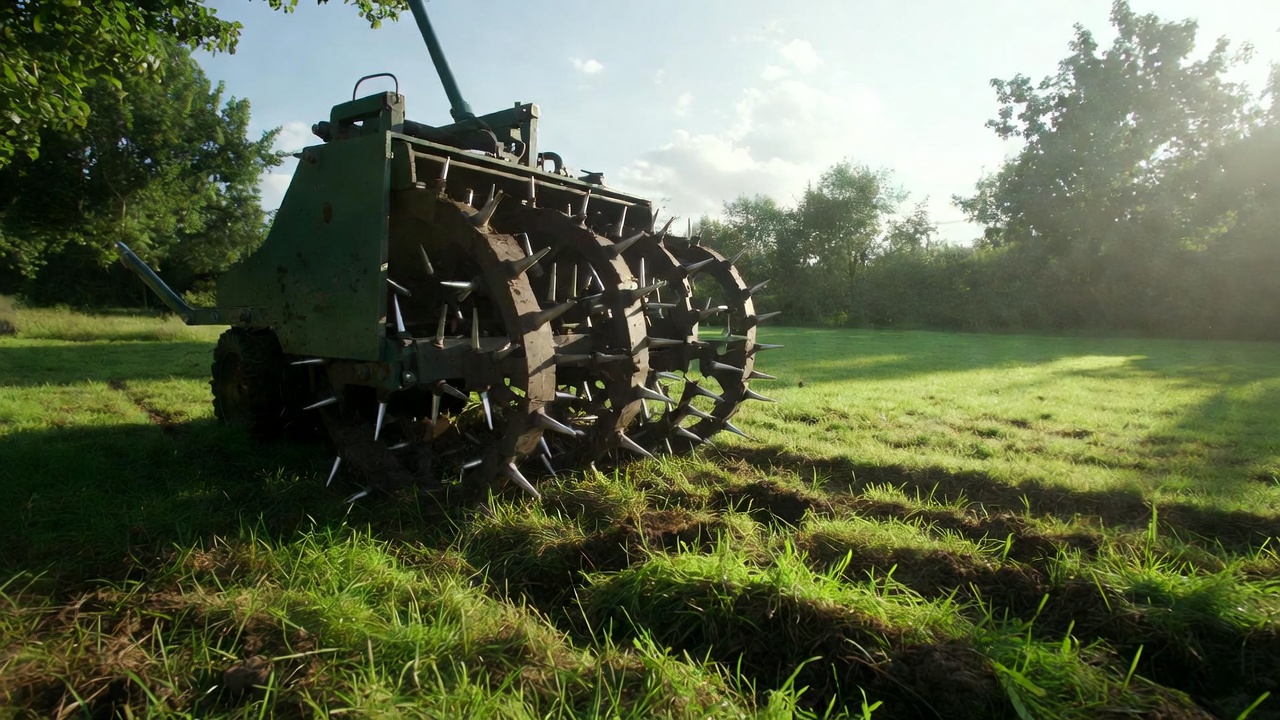
Why September Is Ideal for Lawn Aeration and Overseeding
September hits the sweet spot for cool-season grass recovery. Soil temperatures are still warm enough to support rapid seed germination (ideally 50–70°F), while daytime heat is no longer brutal enough to kill tender seedlings. Rainfall typically increases in early fall, reducing your watering burden. Most importantly, cool-season grasses—like fescue, bluegrass, and perennial ryegrass—enter their peak growth phase in fall, meaning new seed will establish faster and stronger than spring seeding.
Waiting until October or November means risking incomplete germination before winter dormancy. Acting in September gives your new grass 6–8 weeks to develop a solid root system before the first hard freeze.
Understanding Lawn Compaction and Summer Heat Damage
Summer stress leaves visible damage: thin patches, bare spots, and hard, crusty soil. Compaction happens when soil particles are pressed together, restricting water infiltration and root growth. Heavy foot traffic, mower wheels, and dry soil all accelerate this problem. Heat stress weakens grass blades and slows recovery.
Aeration mechanically removes small soil cores, breaking up compaction and creating channels for water, oxygen, and nutrients to reach roots. This process is non-negotiable if your lawn shows:
- Pooling water on the surface after rain
- Slow drainage or soggy patches
- Thin, patchy grass coverage
- Hard, crusty soil that resists a garden fork
- Excessive thatch buildup (dead grass layer)
Step-by-Step Guide to Aeration in September
Timing and Preparation
Aerate when soil moisture is moderate—not bone-dry, not waterlogged. If your lawn is parched, water deeply 1–2 days before aeration. Mark sprinkler heads, shallow utility lines, and septic systems to avoid damage. Mow your lawn short (1.5–2 inches) the day before aeration so the aerator can make clean contact with soil.
Choosing Your Equipment
Two main options exist:
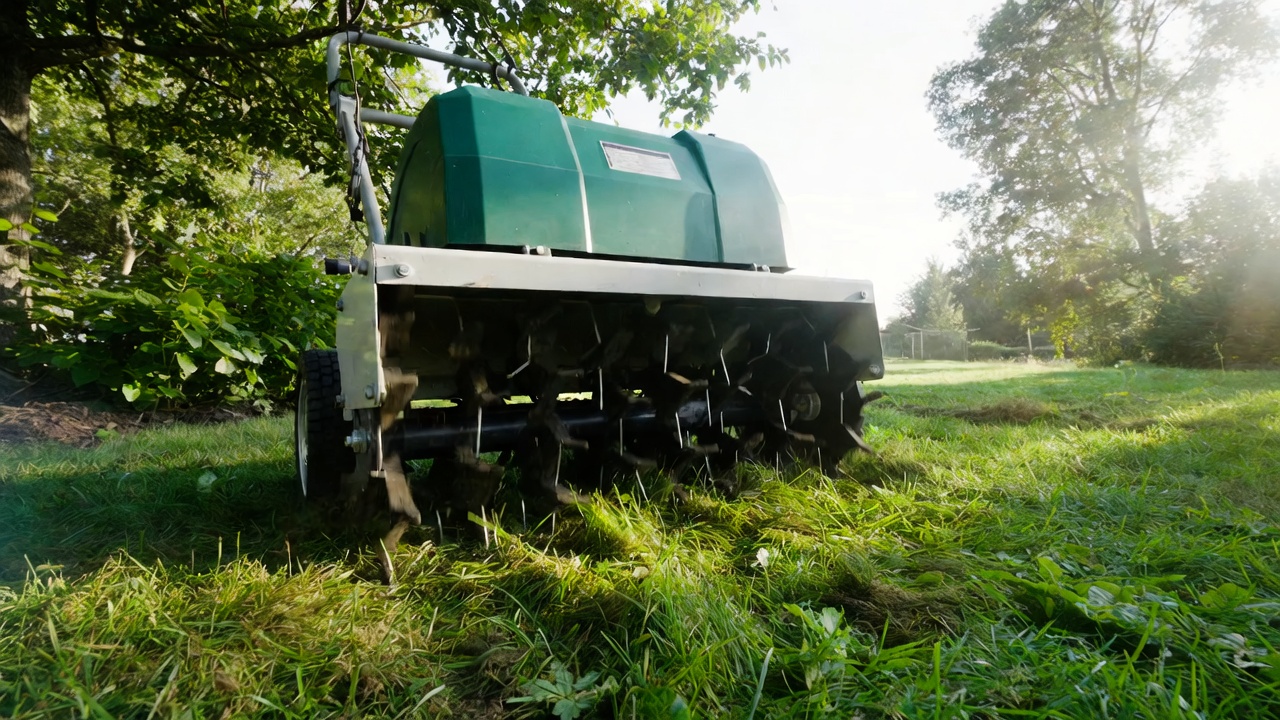
- Core aerators (plug aerators) remove soil plugs 2–3 inches deep. These are most effective for compacted lawns and are available for rent at most equipment rental centers.
- Spike aerators punch holes without removing soil. They’re cheaper but less effective on severely compacted ground.
For most residential lawns, rent a walk-behind core aerator. Cost runs $40–$75 per day, and one pass covers a typical suburban yard.
Aeration Process
Make overlapping passes in perpendicular directions (one north-south, one east-west) to ensure even coverage. Walk at a steady pace—rushing reduces effectiveness. The aerator will eject soil plugs across your lawn; leave them there. They break down within 2–3 weeks and return nutrients to the soil.
Don’t worry about the temporary mess. Your lawn will look rough for a few days, but this is exactly what you want.
Effective Overseeding Methods for Cool-Season Grasses
Seed Selection
Choose a blend tailored to your region and existing grass type. Most cool-season lawns benefit from a mix of:
- Perennial ryegrass (quick germination, fine texture)
- Tall fescue (drought tolerance, deep roots)
- Kentucky bluegrass (self-repair capability, shade tolerance)
Buy seed from a reputable supplier and check the label for germination rate (aim for 85%+) and weed content (should be nearly zero).
Overseeding Timing
Overseed immediately after aeration, within 24 hours if possible. The fresh soil cores provide ideal contact between seed and soil. Spread seed at the rate recommended on the bag—typically 4–6 pounds per 1,000 square feet for overseeding.
Application Methods
Three approaches work:
- Broadcast spreader (cheapest): Spreads seed in a wide arc. Less precise but adequate for most lawns.
- Drop spreader (most precise): Deposits seed in a narrow band directly below. Better for avoiding seed waste.
- Hydroseeding (professional): Sprays seed, mulch, and tackifier as a slurry. Excellent for large areas or steep slopes.
For DIY work, a drop spreader offers the best balance of control and simplicity. Make overlapping passes to ensure even coverage.
Post-Seeding Care
After spreading seed, lightly rake or drag a mat across the lawn to work seed into the soil cores. This improves seed-to-soil contact and germination rates.
Moisture Management Tips to Support Lawn Recovery
Moisture is critical for germination and establishment. New seed needs consistent, light watering—not flooding.
Watering Schedule
- Days 1–7: Water lightly twice daily (early morning and late afternoon) to keep the top 0.5 inches moist. This encourages germination.
- Days 8–21: Water once daily, increasing depth to 0.75–1 inch. Seedlings are developing roots and need deeper moisture.
- Weeks 3–6: Reduce frequency to 2–3 times per week, watering deeply (1–1.5 inches) to encourage deep root growth.
Check soil moisture by inserting a screwdriver or soil probe—it should penetrate easily to 2–3 inches. If resistance increases, soil is too dry.
If September weather brings natural rainfall, adjust your watering accordingly. Overwatering leads to fungal disease and weak root development. Underwatering causes seed failure and thin coverage.
For detailed guidance on irrigation management, review our late summer lawn watering guide to understand your system’s capacity before September arrives.
Additional Lawn Repair Techniques and Maintenance Advice
Fertilization Strategy
Apply a starter fertilizer (high phosphorus) at the time of seeding to encourage root development. A balanced fall fertilizer (like 10-10-10) applied 4–6 weeks after seeding supports established seedlings. Avoid high-nitrogen fertilizers immediately after seeding—they promote leaf growth at the expense of roots.
Thatch Management
If thatch exceeds 0.5 inches, consider power raking before aeration. Excessive thatch prevents water and nutrient penetration. Aeration alone won’t eliminate heavy thatch, but it reduces it over time when combined with proper mowing and watering practices.
Mowing New Seedlings
Wait until new grass reaches 3–3.5 inches before the first mow. Mow at your normal height, removing no more than one-third of the blade. Frequent, light mowing strengthens seedlings faster than infrequent heavy cutting.
Pest and Disease Prevention
Newly seeded areas are vulnerable to fungal disease in wet conditions. Ensure good drainage and air circulation. Avoid walking on seeded areas for at least 2 weeks to prevent soil compaction and disease spread.
Integrate lawn care into your broader fall maintenance routine. Our end of summer home maintenance checklist covers additional outdoor tasks that complement lawn recovery efforts.
Conclusion: Maximizing Lawn Health with September Aeration and Overseeding
September lawn aeration and overseeding is the single most effective strategy for restoring cool-season lawns damaged by summer stress. The combination of mechanical aeration, quality seed, and disciplined moisture management creates conditions for rapid establishment and long-term health. A lawn aerated and overseeded in September will be noticeably thicker and more resilient by spring, with fewer weeds and better drought tolerance.
The investment—roughly $50–$150 in equipment rental and seed for a typical lawn—pays dividends for years. Skip this step, and you’ll spend the next growing season fighting thin patches and weeds. Commit to it now, and you’ll have a lawn that needs minimal intervention through fall and winter.
Start planning your September aeration and overseeding project today. Your lawn will thank you.