
Daily Cleaning Habits That Reduce Deep Cleaning Frequency
Daily cleaning habits that reduce deep cleaning are the foundation of a manageable home maintenance routine. Instead of dreading monthly or quarterly deep cleans that consume entire weekends, consistent small actions throughout the week prevent dirt, clutter, and grime from accumulating to the point where intensive scrubbing becomes necessary. The difference between homes that feel perpetually clean and those that spiral into chaos isn’t genetics or obsessive personality—it’s strategy.
Why Daily Habits Matter More Than Occasional Deep Cleans
Most people approach home cleaning backward. They let messes build for weeks, then tackle everything at once with exhausting, time-consuming deep cleans. This cycle repeats endlessly, leaving you burned out and your home never truly clean.
The problem: deep cleaning is reactive, not preventive. By the time you’re scrubbing grout or wiping down baseboards, the damage is done. Dirt has settled, grime has hardened, and you’re fighting against compound neglect.
Daily habits flip this model. Small, consistent actions prevent problems before they start. A quick wipe-down of kitchen counters each evening stops sticky buildup. A 5-minute bathroom sink rinse prevents soap scum from calcifying. An entryway sweep catches tracked-in debris before it spreads throughout your home.
The Science Behind Prevention: How Small Actions Compound
Prevention works because dirt and grime follow predictable patterns. Dust settles gradually. Grease splatters accumulate layer by layer. Clutter multiplies through decision avoidance. Each small action interrupts this progression.
When you address surfaces daily, you’re removing dirt at its weakest point—before it bonds chemically to surfaces or hardens into stubborn stains. A damp cloth wipes away fresh spills instantly. Wait a week, and that same spill requires scrubbing.
The psychological benefit matters too. A consistently tidy home creates momentum. You’re more likely to maintain standards when your baseline is already clean. Conversely, clutter breeds clutter—a messy room invites more mess.
Morning Cleaning Habits (5–10 Minutes)
Start your day with a quick reset. You don’t need elaborate routines; focused 5–10 minute sessions work better than scattered effort.
- Make your bed immediately. A made bed anchors the bedroom and creates psychological order for the day. Takes 2 minutes.
- Clear kitchen surfaces. Wipe down counters, load the dishwasher, and put away breakfast items. This prevents the kitchen from becoming a catch-all for clutter. 3–4 minutes.
- Do a quick bathroom mirror and sink wipe. Use a microfiber cloth to remove toothpaste splatters and water spots before they dry. 2 minutes.
- Scan high-traffic areas for overnight clutter. Entryway, living room, and hallways accumulate items as people move through. A 2-minute sweep catches items before they settle.
Total: 9–10 minutes. This morning routine prevents the day from starting with a mess that compounds throughout 24 hours.
Evening Tidying Routines (10–15 Minutes)
Evening routines are where most daily cleaning work happens. You’re resetting the home for the next day and preventing overnight accumulation.
- Clear and clean kitchen surfaces. Wipe down counters, stovetop, and sink after dinner. This is the highest-impact task—kitchens are the dirtiest room in most homes. 5–7 minutes.
- Do dishes or run the dishwasher. Don’t let dishes sit overnight. Dried food is harder to remove and attracts pests. 3–5 minutes if hand-washing; 1 minute to load the machine.
- Reset living spaces. Fold blankets, fluff pillows, clear coffee tables, and gather items left during the day. 3–4 minutes.
- Sweep or vacuum high-traffic areas. Target entryways, kitchen, and main living spaces where the most dirt accumulates. 3–5 minutes.
- Quick bathroom wipe-down. Rinse the sink, wipe mirrors, and hang towels straight. 2 minutes.
Total: 14–15 minutes. This evening reset ensures you wake to a clean home and prevents overnight grime from hardening.
Weekly Touch-Up Tasks (30 Minutes)
Once daily routines are solid, dedicate one 30-minute session weekly to tasks that daily cleaning doesn’t cover. Pick one day—Saturday morning works well for many people.
- Bathroom deep surfaces. Scrub toilet, shower walls, and grout. 10 minutes.
- Dust surfaces and baseboards. Baseboards collect dust weekly and are invisible until they’re noticeably dirty. 8 minutes.
- Clean mirrors and windows. Weekly glass cleaning prevents buildup that requires aggressive scrubbing. 5 minutes.
- Mop hard floors. A quick mop of kitchen and bathroom floors prevents sticky buildup. 5 minutes.
- Launder cleaning cloths and towels. Dirty cloths spread bacteria and reduce cleaning effectiveness. 2 minutes to start the load.
This 30-minute weekly session handles everything daily routines miss, but it’s manageable because daily habits prevent major buildup.
High-Impact Areas to Focus on Daily
Not all spaces are equally important. Three areas deserve daily attention because they’re the dirtiest, most visible, and most likely to spiral if neglected.
Kitchen
Kitchens are ground zero for grime. Food splatters, grease, and crumbs accumulate rapidly. Daily kitchen cleaning prevents:
- Sticky stovetop buildup that requires hours of scrubbing
- Grease splatter that hardens and becomes nearly impossible to remove
- Sink biofilm and odors from standing water
- Pest attraction from food debris
Daily kitchen habit: Wipe counters and stovetop after cooking. Rinse the sink after meals. This takes 5 minutes and prevents a weekend deep clean.
Bathroom
Bathrooms are second-highest priority. Moisture, soap scum, and mildew develop quickly. Daily bathroom cleaning prevents:
- Soap scum calcification on shower walls and doors
- Mold and mildew growth in grout and caulk
- Toilet ring stains
- Mirror and glass spots that harden into permanent-looking marks
Daily bathroom habit: Wipe sink and mirror after use. Squeegee shower walls. Rinse the toilet bowl. This takes 3 minutes and prevents mildew from taking hold.
Entryway
Entryways are where outside dirt enters your home. Daily entryway cleaning prevents:
- Tracked-in mud and dirt spreading throughout the home
- Clutter accumulation from items left at the door
- Visible mess that affects your first impression when entering
Daily entryway habit: Sweep or vacuum the entryway every evening. This single action prevents dirt from spreading to living spaces and keeps your home looking intentional.
Tools and Systems That Make Daily Cleaning Effortless
The right tools eliminate friction. When cleaning supplies are accessible and effective, you’re more likely to maintain daily habits.
Strategic Placement
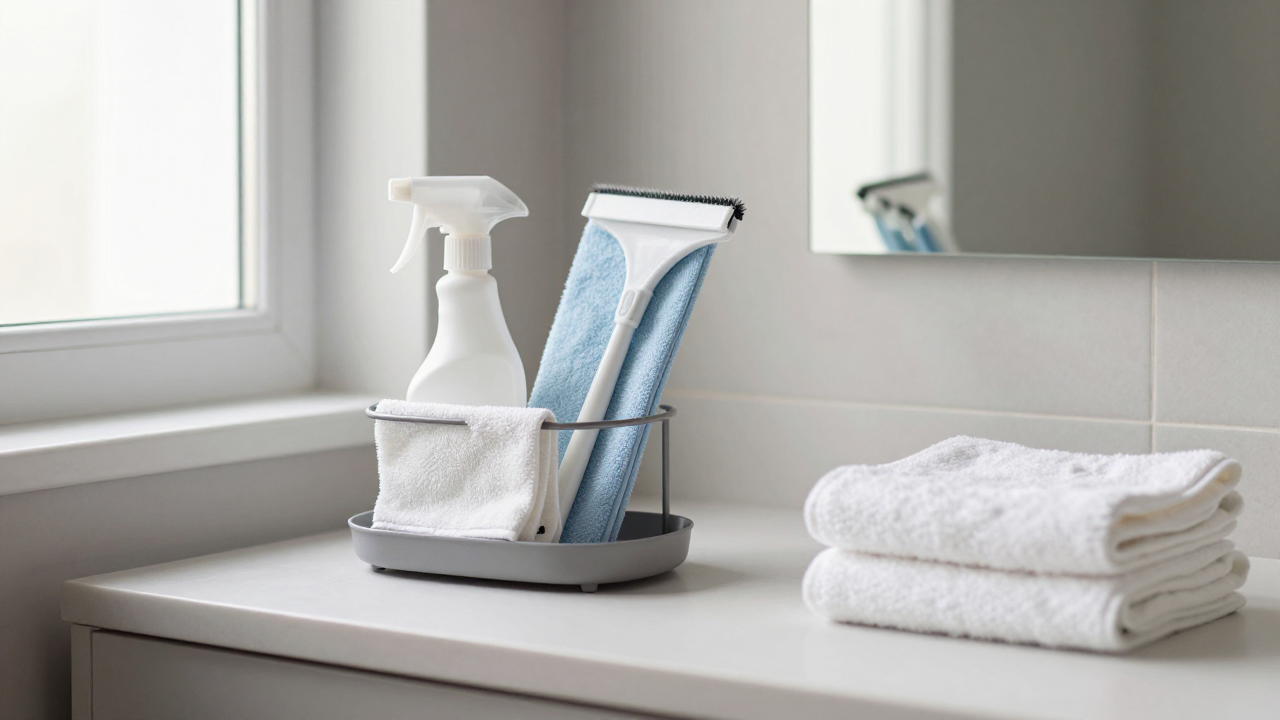
Keep cleaning supplies where you’ll use them:
- Microfiber cloths in the kitchen, bathroom, and bedroom for quick wipe-downs
- A small trash bin in the entryway for shoes and coats
- Cleaning spray and paper towels under the kitchen sink for spill response
- A bathroom caddy with toilet brush, plunger, and cleaning supplies
Minimal, Effective Tools
You don’t need dozens of products. Stick to:
- Microfiber cloths (dry for dusting, damp for cleaning)
- All-purpose cleaner spray
- Dish soap and a sponge
- A small broom and dustpan
- A toilet brush
- Vacuum or handheld broom
These six items handle 95% of daily cleaning. More products create decision fatigue and clutter.
Time-Blocking System
Assign specific tasks to specific times:
- Morning: Make bed, clear kitchen, quick bathroom wipe (5–10 minutes)
- After meals: Clear dishes and wipe surfaces (3–5 minutes)
- Evening: Reset living spaces, sweep entryway, bathroom refresh (10–15 minutes)
- Weekly: One 30-minute session for deeper tasks
This system prevents decision paralysis. You know exactly what to clean and when.
Tracking Progress: When You’ll Notice the Difference
Daily habits don’t show results overnight, but the timeline is faster than most people expect.
Week 1: You’ll notice your home feels slightly more organized. Surfaces are clearer, but you’re still fighting accumulated grime from before you started.
Week 2–3: Surfaces start looking genuinely clean. Sticky kitchen buildup begins to disappear. You’re spending less time fighting stains because new messes are addressed immediately.
Week 4: The compounding effect becomes obvious. Your home requires noticeably less effort to maintain. You’re not exhausted by weekend deep cleans because they’re no longer necessary.
Month 2+: Daily cleaning becomes automatic. You stop thinking about it. Your home stays consistently clean with minimal effort. When someone drops by unexpectedly, you’re not embarrassed—your baseline is already presentable.
The key is consistency through the first month. After that, momentum carries the routine.
Common Mistakes That Undermine Daily Habits
Even with the right system, people sabotage their own progress. Watch for these pitfalls:
Perfectionism
People abandon routines because they miss a day or do an imperfect job. A 5-minute wipe-down isn’t perfect—and that’s fine. Imperfect consistency beats perfect inconsistency. Missing one evening doesn’t erase progress; it’s only a problem if you use it as an excuse to abandon the system entirely.
Overcomplicating the System
Complex routines fail because they’re unsustainable. If your daily cleaning routine takes 45 minutes, you’ll quit. Stick to 10–15 minutes daily. Simplicity is the secret to consistency.
Ignoring Clutter
Cleaning and decluttering are different. You can’t clean a cluttered space efficiently. Before starting daily habits, consider a decluttering method that fits your style. With less stuff, daily cleaning becomes dramatically faster. If you’re ready to take action beyond daily maintenance, explore DIY home repairs and improvements that can transform your space.
Using Dirty Tools
Cleaning with dirty cloths spreads bacteria and reduces effectiveness. Wash your microfiber cloths weekly. Replace sponges every 2–3 weeks. This small maintenance step makes daily cleaning actually work.
Waiting Until Things Get Bad
The moment you think “I’ll clean this tomorrow,” you’ve started the accumulation cycle. Address spills and messes immediately. It takes 30 seconds now versus 5 minutes of scrubbing later. For those looking to expand their home maintenance skills, check out pantry organization strategies that complement daily cleaning routines.
Conclusion: Building Sustainable Cleaning Momentum
Daily cleaning habits that reduce deep cleaning aren’t about obsessive tidiness or perfection. They’re about preventing small problems from becoming big ones. A 5-minute evening kitchen wipe-down stops grease from calcifying. A quick bathroom squeegee prevents mold. An entryway sweep keeps dirt from spreading.
These small actions compound. After a month, your home requires a fraction of the effort it once did. After two months, daily cleaning becomes automatic—part of your routine like brushing your teeth.
The payoff is enormous: no more dreaded weekend deep cleans, no more shame when someone stops by unexpectedly, and no more feeling like your home controls you instead of the other way around.
Start with just the morning and evening routines this week. Add the weekly 30-minute session next week. By week three, you’ll see the difference. By week four, you’ll wonder why you didn’t start sooner.
Your future self—the one who never has to spend a Saturday scrubbing grout—will thank you.