
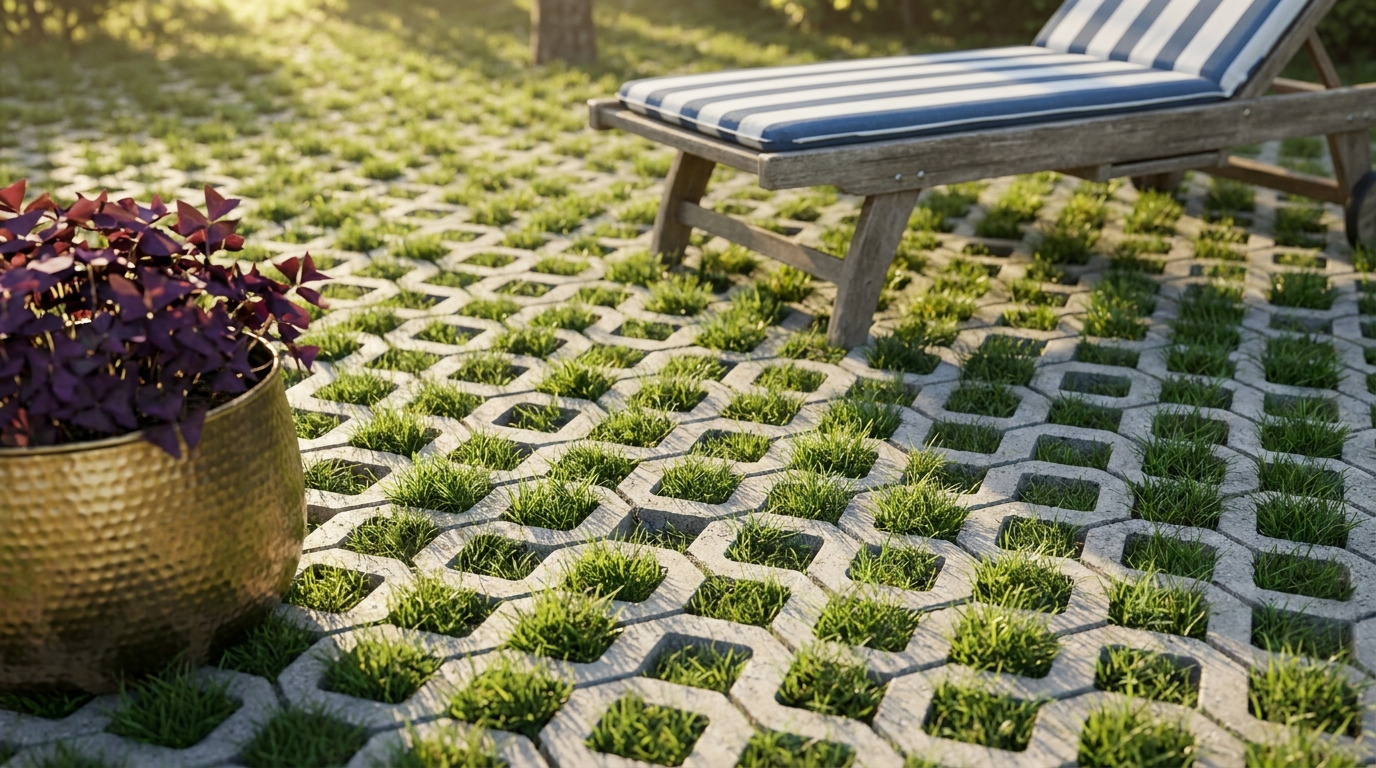
Backyard transformation ideas have become essential for homeowners seeking to upgrade their outdoor spaces into functional and aesthetic retreats. Among the most effective strategies is incorporating permeable pavers, which not only enhance visual appeal but also support stormwater management. The Environmental Protection Agency highlights permeable surfaces as a key component of green infrastructure, reducing runoff and improving groundwater recharge.Green infrastructure and permeable surfaces are thus a smart choice for sustainable backyard overhauls.
Successful backyard transformations begin with a quick planning checklist: evaluate your site conditions and soil quality, establish a clear budget, and check local permit requirements, especially for structural changes or pool installations. This foundational step helps ensure smooth progression from concept to completion.
Permeable pavers deserve special attention in backyard redesigns. Their benefits include reducing water runoff, minimizing pooling, and aiding local ecosystems. Costs vary based on material—ranging from $6 to $20 per square foot—and installation complexity. DIY enthusiasts can install smaller sections by preparing the base, laying gravel and sand, and placing the pavers while ensuring proper spacing. Professional installation is advisable for larger areas to guarantee correct drainage and durability.
Creating built-in seating and outdoor rooms defines backyard usability and adds character. Materials like stone, treated wood, or concrete offer durability and style. Effective layouts often incorporate seating around focal points such as fire pits or garden beds, promoting social interactions and comfort. Guidance on durable, weather-resistant outdoor furniture can be found in detailed discussions on outdoor furniture ideas that complement permanent structures.
Fire features enhance ambiance but require mindful placement and safety measures. The Better Homes & Gardens resource recommends situating fire pits at least 10 feet from structures, using appropriate fuel types such as propane, natural gas, or wood, and having safety essentials like extinguishers nearby. Custom fire features can be built in or portable, each with pros and cons concerning maintenance and usage flexibility.Fire pit safety tips from experts detail best practices.
For shade and cooling, pergolas, retractable sails, and strategic plantings provide solutions that mitigate heat and extend backyard usability into warmer months. Native trees and climbing plants offer natural shade and contribute to sustainability. Innovative designs may combine structures with cooling misters or fans, creating comfortable retreats tailored to local climates.
Poolside areas benefit from safe circulation paths and water features that complement the surroundings. Non-slip pavers and thoughtful layouts enhance safety. Ongoing maintenance, including water quality checks and debris removal, ensures longevity. Poolside designs often integrate seating and shade solutions for year-round comfort.
Small-space backyard ideas focus on maximizing utility without crowding. Modular and foldable furniture allows versatility, while vertical gardens use walls to increase green areas. Multi-use zones combine dining, play, and relaxing functions in compact footprints. For inspiration, comprehensive ideas for small yards are available, including quick implementation tips.Small yard landscaping strategies provide excellent starting points, complemented by modular design tips detailed in small backyard design ideas.
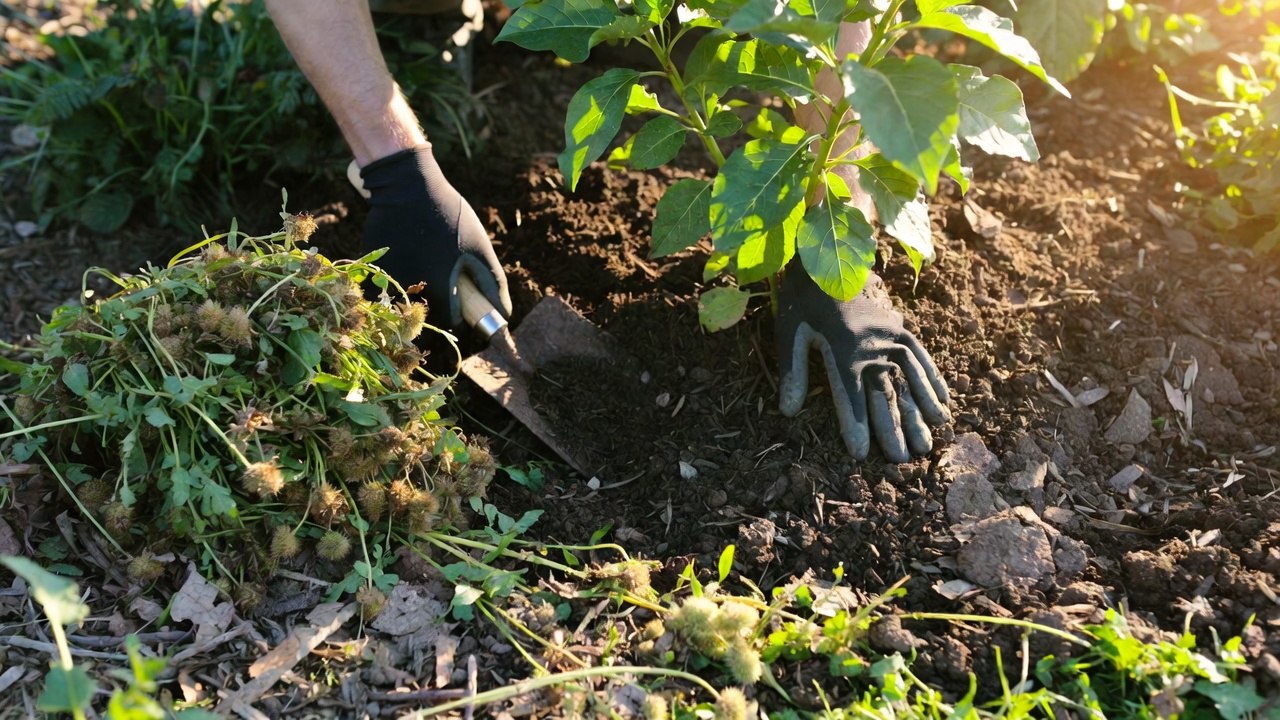
Sustainability and low-maintenance strategies underpin modern backyard transformations. Emphasizing native plants reduces water and chemical use, while automated irrigation systems optimize moisture levels efficiently. Combining permeable surfaces with eco-friendly landscaping creates a backyard that supports biodiversity and reduces environmental impact. Insights into sustainable landscaping and the use of permeable pavers are available for those planning to make greener choices.Sustainable landscaping and permeable pavers offer practical guidance.
Budgeting and timelines vary—from low-cost DIY projects around $1,000 to high-end transformations exceeding $30,000. Mid-range projects generally fall between $10,000 and $20,000, factoring in materials and professional labor. Breaking costs into categories such as hardscaping, planting, furniture, and features helps maintain control. Project timelines typically range from a few weeks for small improvements to several months for comprehensive remodels.
Maintenance involves scheduled checks such as seasonal pruning, irrigation system inspections, cleaning permeable surfaces to prevent clogging, and refreshing fire feature components. Appropriately timed care preserves investment and ensures safety.
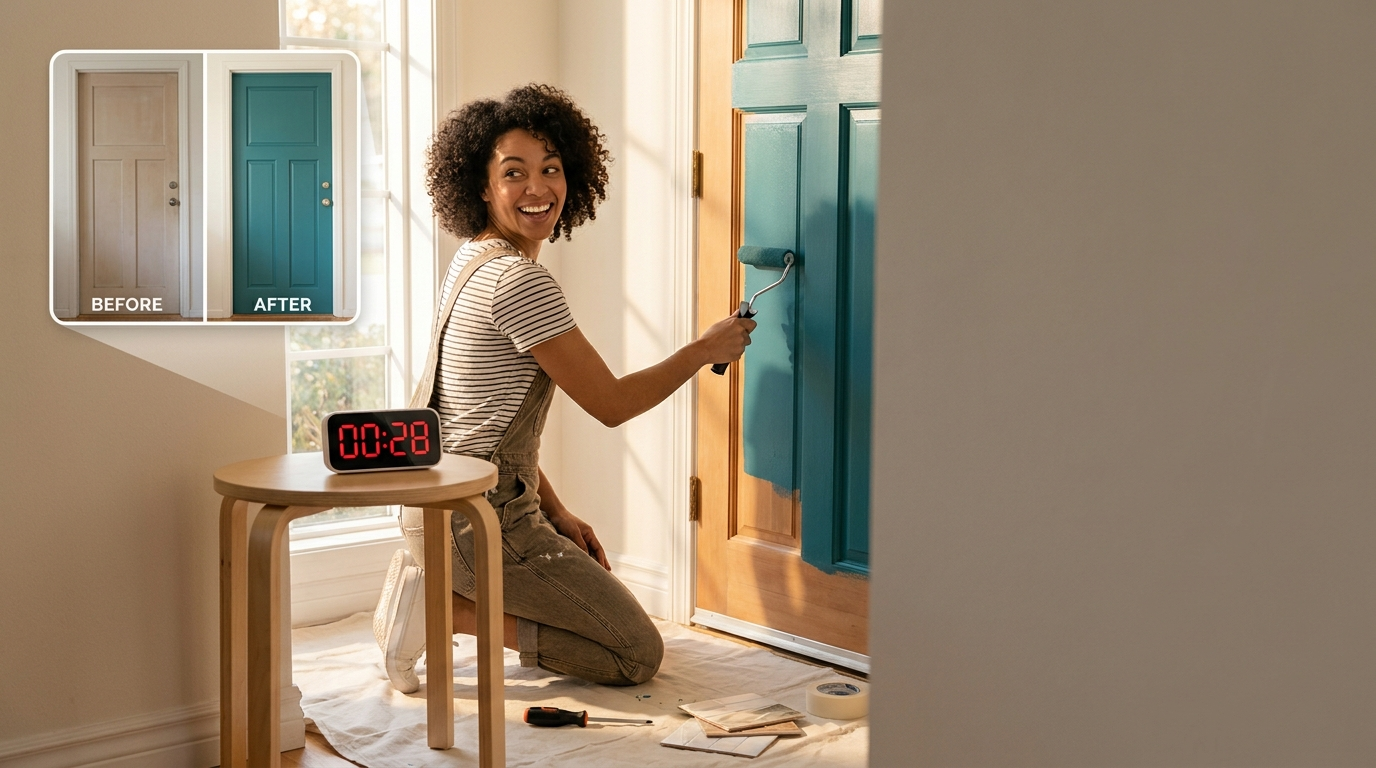
Before and after transformations illustrate the impact of thoughtful backyard design. Homeowners can access curated product recommendations and step-by-step project guides to jumpstart their upgrades, fostering confidence and creativity.
Thoughtful integration of the latest backyard transformation ideas, from permeable pavers to small space hacks and sustainable landscaping, elevates outdoor living spaces into multifunctional, eco-friendly environments. This approach not only enhances personal enjoyment but also contributes to environmental resilience and property value enhancement.
2 thoughts on “Amazing Backyard Transformation Ideas to Inspire You Today”