Why August Is the Best Time to Audit Your Irrigation System
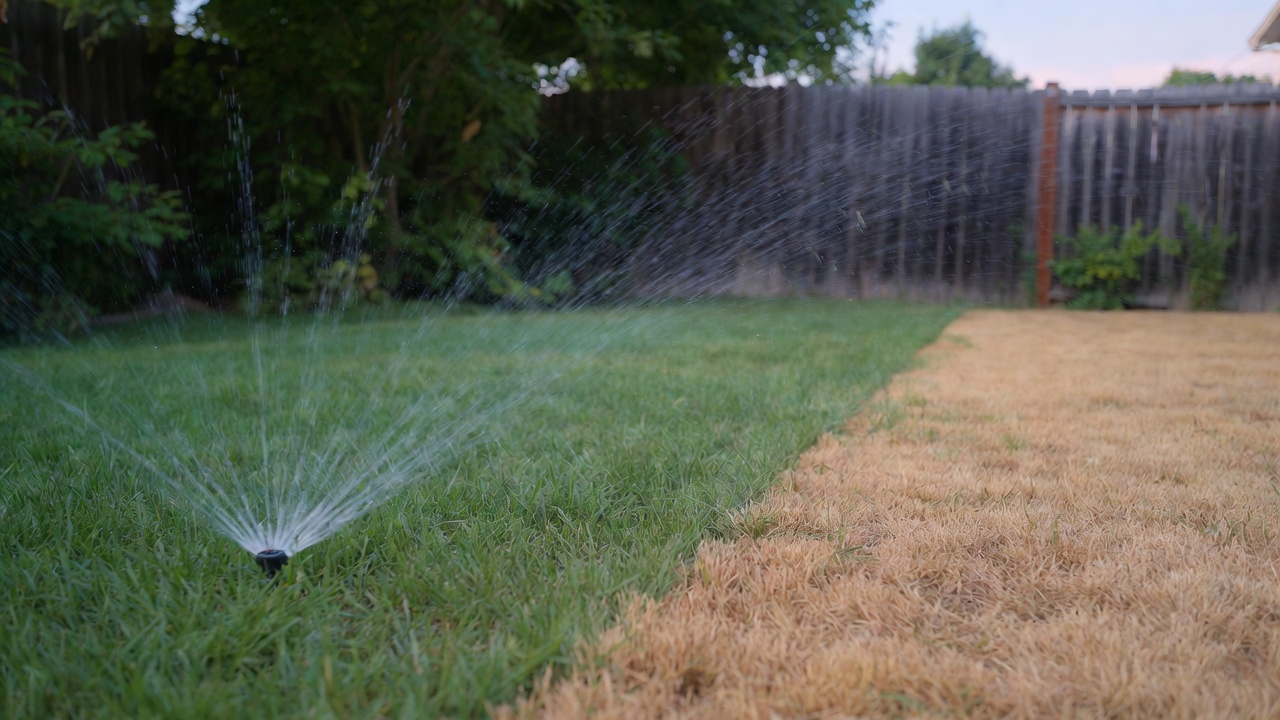
Late summer lawn watering is one of those tasks that looks optional until your grass goes into fall looking patchy, thin, and exhausted. August sits at a critical crossroads: heat stress is still high, soil moisture is often depleted, and your lawn is quietly building the root reserves it needs to survive winter and green up fast in spring. Fix your irrigation now — before temperatures drop and the damage becomes permanent — and you give your yard a genuine head start on fall recovery. This guide walks you through exactly how to do that, from a simple sprinkler coverage test to a zone-by-zone watering schedule that actually matches what your plants need.
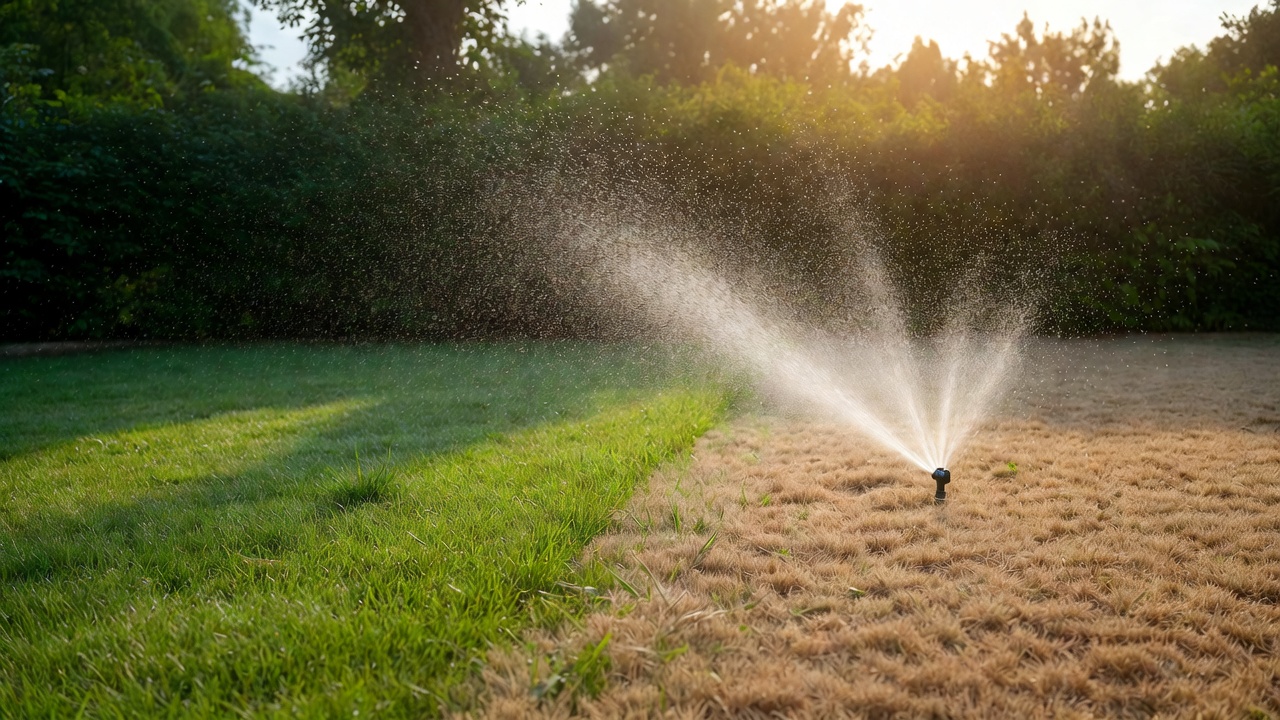
How to Test Sprinkler Coverage with the Tuna-Can Method
Most homeowners assume their sprinkler system covers the lawn evenly. Most are wrong. The tuna-can test is the fastest, cheapest way to find out where your system is over-watering, under-watering, or missing entirely.
What You Need
- 6–9 identical straight-sided cans (empty tuna or cat food cans work perfectly)
- A ruler or measuring tape
- A notepad or phone to record measurements
- Marking flags or chalk to note problem spots
Step-by-Step Process
- Place the cans across one zone. Scatter them in a grid pattern — near the sprinkler head, at the midpoint between heads, and at the far edges of the zone. Include any spots that already look stressed.
- Run that zone for exactly 15 minutes. Use your controller’s manual-run feature so timing is precise.
- Measure the water depth in each can. Record every reading. Ideal distribution uniformity means all cans collect within about ¼ inch of each other.
- Calculate your application rate. Multiply the average depth by 4 to get inches per hour. Most cool-season grasses need about 1 inch per week; warm-season grasses need 1–1.5 inches.
- Flag the outliers. Cans with significantly less water than the average point to coverage gaps — often caused by a misaligned head, blocked nozzle, or inadequate head spacing. Cans with significantly more water indicate overlap or a head that is throwing too wide.
- Repeat for every zone. Each zone has its own sprinkler type, pressure, and layout, so each needs its own test.
Once you have your data, you can make targeted adjustments rather than guessing. A zone that delivers only 0.15 inches in 15 minutes needs roughly 40 minutes of run time to hit 1 inch — not the 20 minutes you may have programmed.
How to Spot and Diagnose Dry Patches Before They Spread
Not every brown or struggling area in your lawn is a watering problem. Misreading the cause leads to misapplied fixes — and sometimes makes things worse. Use these three diagnostic tools in sequence.
Visual Color Cues
Drought-stressed turf turns a dull blue-gray or straw-yellow. It often appears first in high-traffic areas, on slopes, or near pavement that radiates heat. Fungal disease, by contrast, tends to create circular or irregular patches with distinct margins, sometimes with a darker border or a cottony texture in early morning. Compaction stress looks similar to drought but is concentrated in areas with heavy foot traffic or where soil feels rock-hard underfoot.
The Footprint Test
Walk across a suspect area and look back. If your footprints remain visible for more than 30 seconds, the grass blades lack the turgor pressure to spring back — a reliable sign of drought stress, not disease. Healthy, well-watered turf rebounds almost immediately.
The Soil Probe Test
Push a screwdriver or a dedicated soil probe 6 inches into the ground. In a properly watered lawn, it should slide in with moderate resistance. If it stops at 2–3 inches and the soil crumbles dry, your irrigation is not penetrating deeply enough. If the top 2 inches are wet but deeper soil is bone dry, you are watering too shallowly and too frequently — a very common August mistake.
According to the Clemson Home & Garden Information Center’s August gardening guidance, checking soil moisture at depth — rather than just at the surface — is one of the most important steps homeowners can take to distinguish true drought stress from other late-summer turf problems.
Common Late Summer Watering Mistakes to Stop Right Now
If your lawn is struggling in August, one of these four habits is almost certainly contributing.
1. Daily Shallow Watering
Running your system every day for 10–15 minutes keeps only the top inch of soil moist. Roots follow moisture, so they stay shallow — making your lawn more vulnerable to heat, drought, and disease, not less. Short, frequent cycles also encourage fungal growth by keeping leaf surfaces perpetually damp.
2. Watering at the Wrong Time of Day
Evening watering leaves grass wet overnight, creating ideal conditions for fungal disease. Midday watering loses a significant percentage of water to evaporation before it reaches the root zone. The correct window is early morning — ideally between 4 a.m. and 9 a.m. — when wind is calm, temperatures are low, and foliage dries quickly after sunrise.
3. Ignoring Slope Runoff
On slopes, water runs off faster than it can infiltrate, especially in compacted or clay-heavy soils. If you see water pooling at the bottom of a grade or running into the street, your zone runtime exceeds your soil’s absorption rate. The fix is to use your controller’s cycle-and-soak feature: run the zone for 5–7 minutes, pause for 30–45 minutes to let water absorb, then run again. Repeat until you hit your target depth.
4. One-Size-Fits-All Zone Timing
A shaded bed of hostas does not need the same runtime as a south-facing turf slope baking in full sun. Drip-irrigated vegetable beds need different scheduling than rotary-head lawn zones. Running every zone for the same duration — a common default — means some areas are chronically over-watered while others stay dry. Audit each zone individually and set runtimes based on your tuna-can data and plant type.
Building a Smarter Late Summer Watering Schedule
The core principle of efficient irrigation is simple: water deeply and infrequently. Deep watering pushes moisture down 6–8 inches, encouraging roots to grow downward where soil temperature is cooler and moisture is more stable. Infrequent watering allows the top layer of soil to partially dry between cycles, which discourages shallow rooting and fungal disease.
Lawn Zones
- Frequency: 1–2 times per week, depending on heat and rainfall
- Target depth: 1 inch per week total (1.5 inches for warm-season grasses like Bermuda or Zoysia in peak heat)
- Runtime: Use your tuna-can data to calculate exactly how long each zone needs to deliver that depth
- Adjustment trigger: If your area receives ½ inch or more of rain, skip the next scheduled cycle
Flower Beds and Shrub Borders
- Frequency: Every 2–3 days for annuals in full sun; once or twice a week for established perennials and shrubs
- Delivery method: Drip irrigation or soaker hoses are far more efficient than overhead spray for beds — they deliver water directly to the root zone with minimal evaporation and keep foliage dry
- Mulch factor: 2–3 inches of mulch over bed soil can reduce watering frequency by 30–50% by slowing evaporation
Vegetable Garden
- Frequency: Most vegetables need consistent moisture — typically every 1–2 days in August heat for in-ground beds, daily for containers
- Critical period: Fruiting crops (tomatoes, peppers, squash) are especially sensitive to uneven moisture in late summer; inconsistent watering causes blossom end rot and fruit cracking
- Best method: Drip irrigation at the base of plants keeps foliage dry and dramatically reduces disease pressure. If you haven’t set up drip yet, our guide on efficient DIY drip irrigation for vegetable containers covers the setup from scratch.
If you use a smart irrigation controller, program it to adjust runtimes based on local evapotranspiration (ET) data — most modern controllers pull this automatically from weather stations. It is the single most effective upgrade you can make to reduce water waste without sacrificing lawn health.
Quick Fixes to Make Before Fall Arrives
Once you have your coverage data and your new schedule dialed in, run through these physical fixes. Most take under an hour and have an immediate impact on irrigation efficiency.
Adjust Misaligned Sprinkler Heads
Heads that have been bumped by a mower, shifted by foot traffic, or simply drifted over time often spray onto pavement, fences, or the side of the house instead of the lawn. Turn each zone on manually and walk the zone while it runs. Rotate any head that is not aimed correctly — most pop-up heads can be adjusted by hand while running. For heads that are tilted rather than just rotated, use a flat-blade screwdriver to reposition the body in the sleeve.
Clear Clogged Drip Emitters and Nozzles
Mineral deposits, dirt, and algae are the most common causes of clogged emitters and nozzle screens. Remove clogged emitters and soak them in white vinegar for 30 minutes, then rinse with clean water. For spray nozzles, unscrew the nozzle body and rinse the filter screen under running water. If an emitter is cracked or the nozzle is worn, replace it — they cost pennies individually and are available at any hardware store.
Add Mulch to Retain Soil Moisture
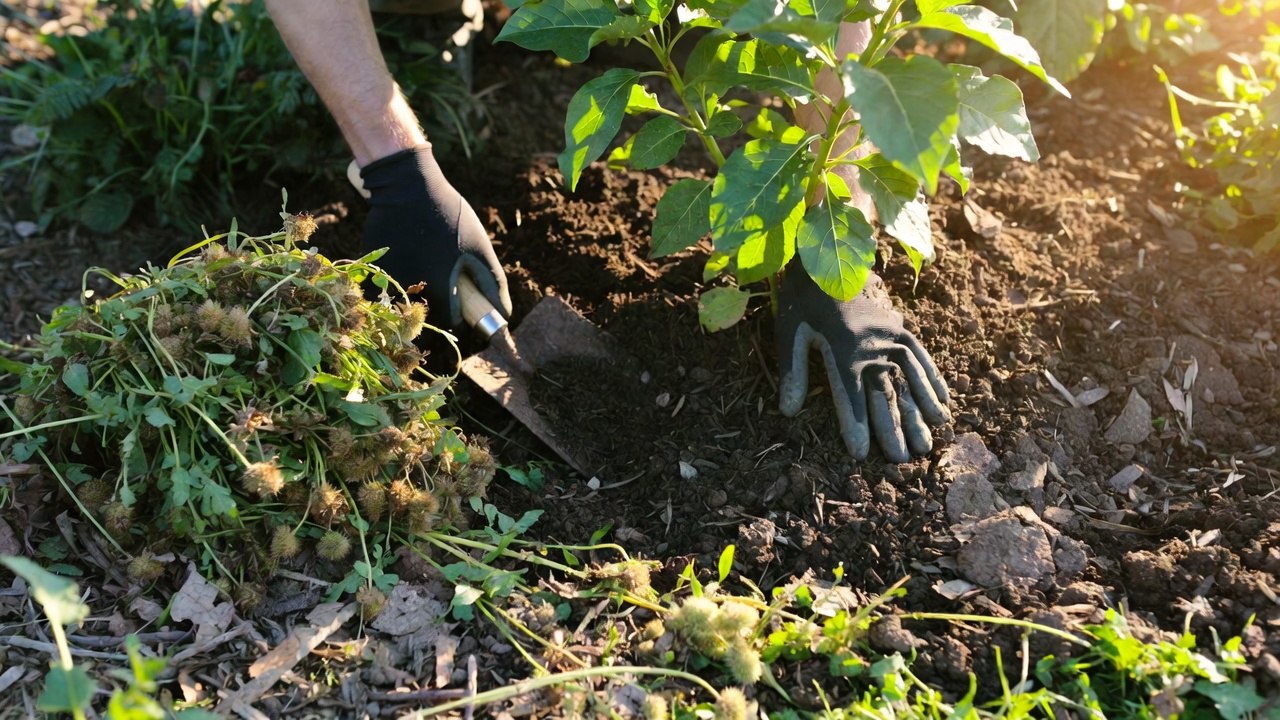
Bare soil in beds and around trees loses moisture rapidly through evaporation in August heat. Apply a 2–3 inch layer of shredded bark, wood chip, or straw mulch, keeping it pulled back 2–3 inches from plant stems and tree trunks to prevent rot. This single step can meaningfully reduce how often you need to run drip zones in beds, and it also moderates soil temperature — a real benefit as nights begin to cool in September.
For a broader look at what else needs attention in your yard this time of year, the Late Summer Garden Tasks: End-of-August Checklist covers fertilizing, pruning, and soil prep alongside irrigation.
Pre-Fall Irrigation Checklist
Complete these steps before the end of August to set your lawn and garden up for a strong fall. Print this out or save it to your phone.
- ☐ Run the tuna-can test on every irrigation zone and record results
- ☐ Calculate the actual application rate (inches per hour) for each zone
- ☐ Adjust controller runtimes to deliver 1–1.5 inches per week to lawn zones
- ☐ Set all zones to run between 4 a.m. and 9 a.m. only
- ☐ Enable cycle-and-soak on any sloped zones
- ☐ Create separate programs for lawn, beds, and vegetable garden
- ☐ Walk every zone while running and flag misaligned or broken heads
- ☐ Adjust or replace any misaligned sprinkler heads
- ☐ Inspect and clean all drip emitters and spray nozzle screens
- ☐ Replace cracked or worn emitters and nozzles
- ☐ Apply 2–3 inches of mulch to all exposed bed soil
- ☐ Use the footprint test and soil probe weekly to verify moisture is reaching depth
- ☐ Program a rain skip rule (skip next cycle after ½ inch of rain)
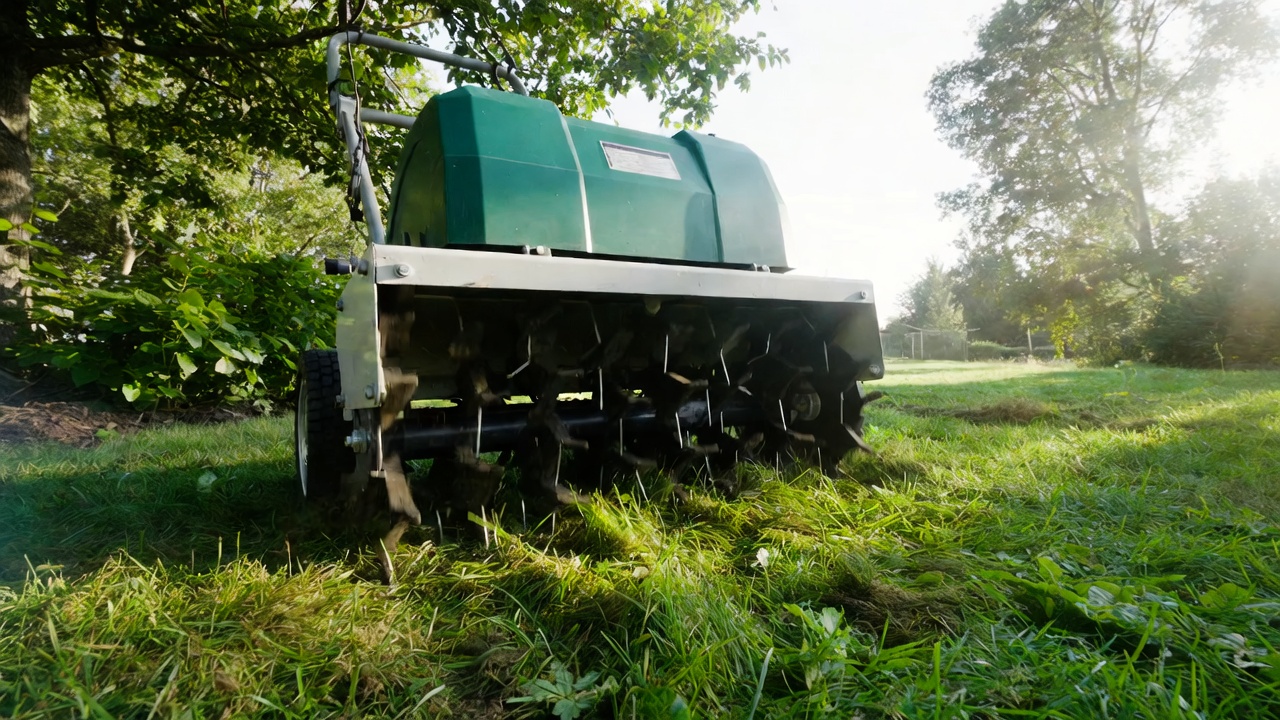
- ☐ Note any persistent dry patches for aeration and overseeding in September
Getting your irrigation dialed in now costs you an afternoon. Skipping it costs you a lawn. The fixes above are straightforward, the tools are cheap, and the payoff — a yard that goes into fall healthy and comes out of winter ready to grow — is worth every minute you put in.