
September Fall Home Maintenance Checklist: Prepare Your Home for Colder Weather
Early September is the ideal time to tackle your September fall home maintenance checklist before temperatures drop and HVAC contractors become booked solid. The window between summer and winter is narrow—use it wisely. Homes that receive preventive maintenance in September avoid expensive emergency repairs in December and January. This checklist focuses on the critical systems and components that protect your home from weather damage, energy waste, and safety hazards.
Gutter Cleaning and Inspection
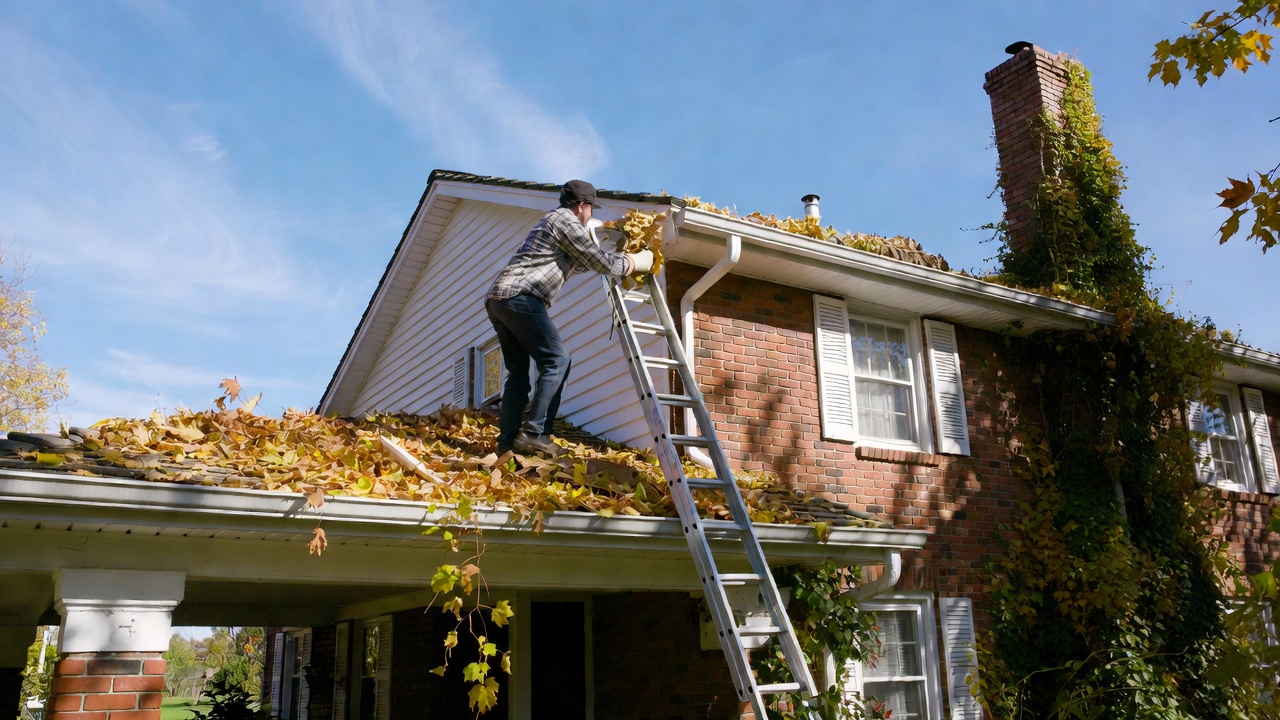
Clogged gutters are the leading cause of water damage to homes. Leaves, debris, and sediment accumulate throughout summer and early fall. When gutters overflow, water pools against your foundation, seeps into basements, and rots fascia boards and soffit.
How to clean gutters:
- Safely ascend a ladder and scoop debris into a bucket using a gutter scoop or your gloved hand
- Flush the gutters with a garden hose to clear remaining sediment and test downspout flow
- Check that downspouts direct water at least 4 feet away from your foundation
- Inspect gutter seams and joints for rust, cracks, or separation
- Look for sagging sections that indicate loose fasteners or structural damage
Clean gutters at least twice annually—once in late summer and again in mid-fall after leaves drop. If trees overhang your roof, plan a third cleaning in November.
Roof Inspection: Checking for Damage and Leaks
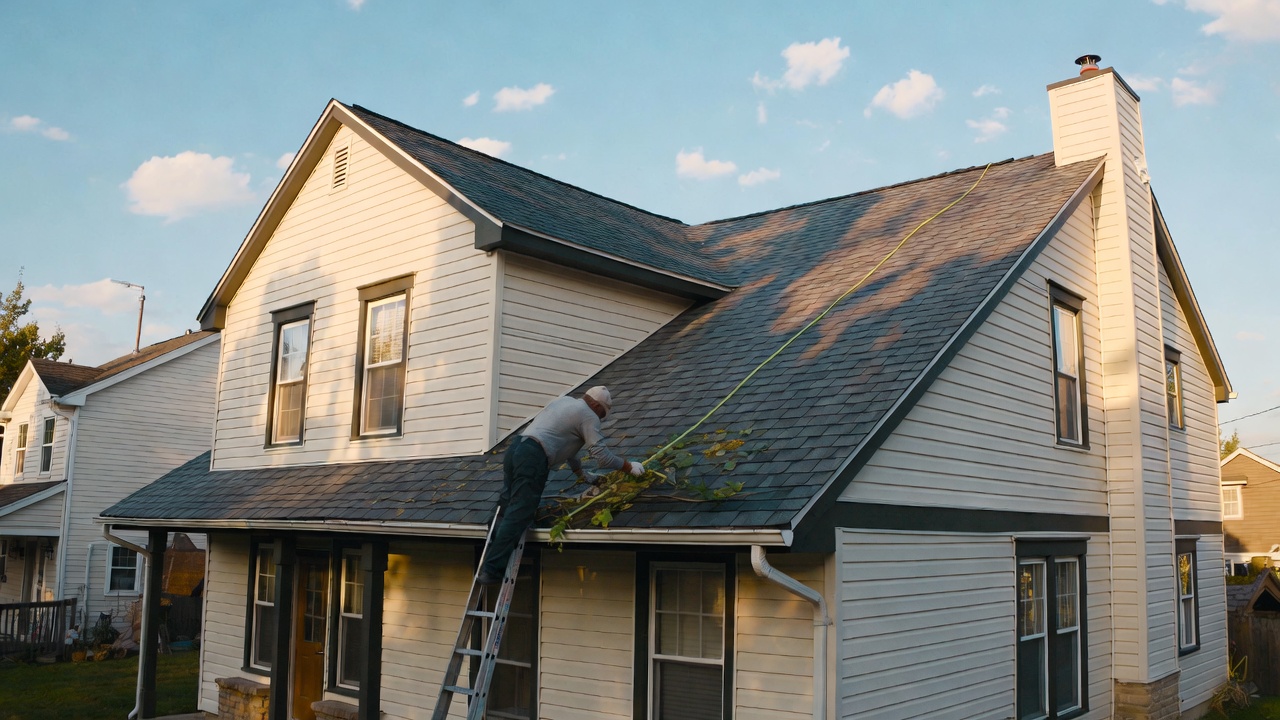
Your roof is your home’s first defense against rain, snow, and ice. September inspections catch damage before winter storms arrive.
What to inspect from the ground or a safe ladder position:
- Look for missing, cracked, or curled shingles
- Check for exposed nails or lifted shingle edges
- Scan for moss, algae, or dark streaks indicating moisture retention
- Examine flashing around chimneys, vents, and skylights for gaps or corrosion
- Check the attic interior for water stains, mold, or daylight penetration
If you spot significant damage, missing sections, or widespread deterioration, contact a roofing contractor before winter. Delaying repairs allows water infiltration that causes attic mold and structural rot.
HVAC Filter Replacement: Ensuring Efficient Heating
Your heating system will run constantly once temperatures drop. A dirty HVAC filter forces your furnace to work harder, increasing energy costs and reducing system lifespan.
Steps to replace your HVAC filter:
- Turn off your HVAC system at the thermostat
- Locate the filter—typically in a basement furnace, attic unit, or wall-mounted return air duct
- Note the filter size printed on the frame (common sizes: 16x25x1, 20x25x1, 16x25x4)
- Remove the old filter and dispose of it
- Insert the new filter with the arrow pointing toward the furnace
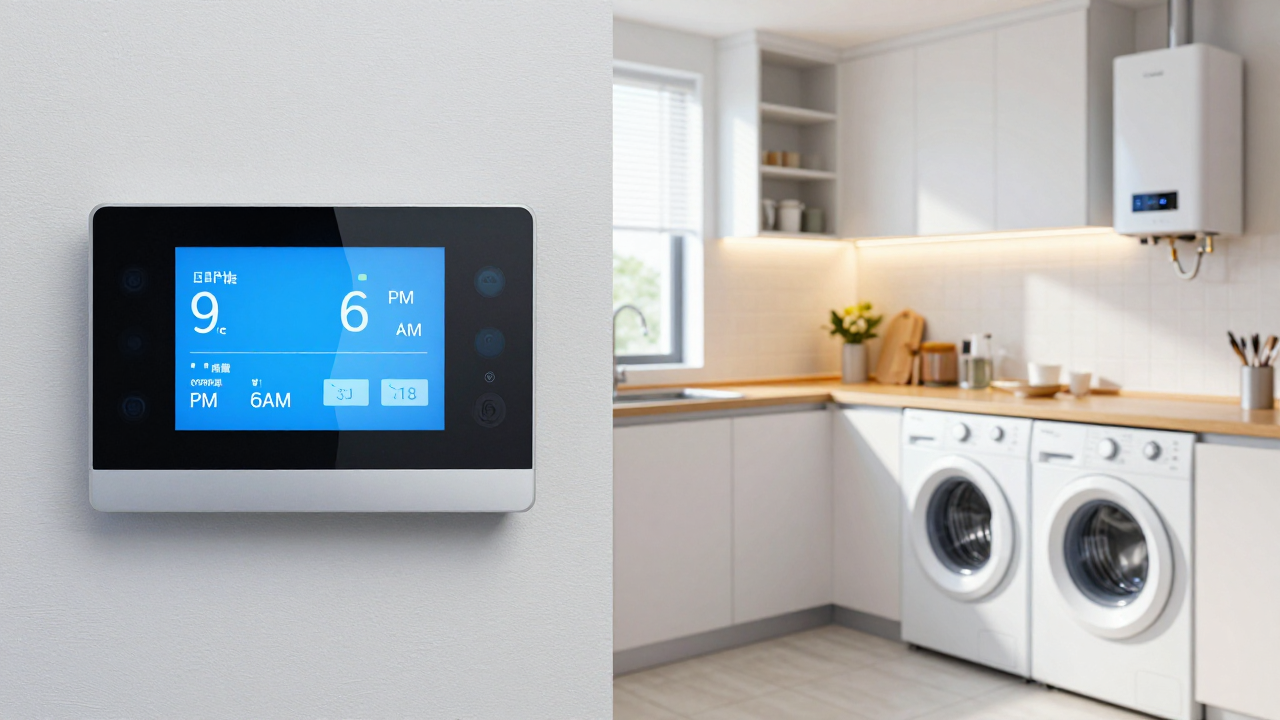
- Restore power and set your thermostat to your desired temperature
Replace filters every 1–3 months depending on household factors like pets, allergies, and air quality. September replacement ensures clean airflow as heating season begins. For more detailed guidance, see our easy guide to changing your AC air filter fast.
Winterizing Outdoor Faucets: Preventing Freeze Damage
Frozen outdoor faucets burst pipes and cause costly water damage inside your home. Winterization takes 30 minutes and costs under $20 per faucet.
How to winterize outdoor faucets:
- Turn off the water supply valve inside your home that controls the outdoor line
- Open the outdoor faucet and let water drain completely
- Leave the faucet in the open position to prevent pressure buildup
- Install a foam faucet cover or insulated box over the spigot
- Disconnect and drain garden hoses; store them indoors
- If your home has a separate shut-off valve for each outdoor faucet, close those valves as well
Repeat this process for all outdoor faucets, including those on side yards and decks. Don’t wait until the first freeze—do this in early September while temperatures are still mild.
Weatherstripping Doors and Windows: Sealing Air Leaks
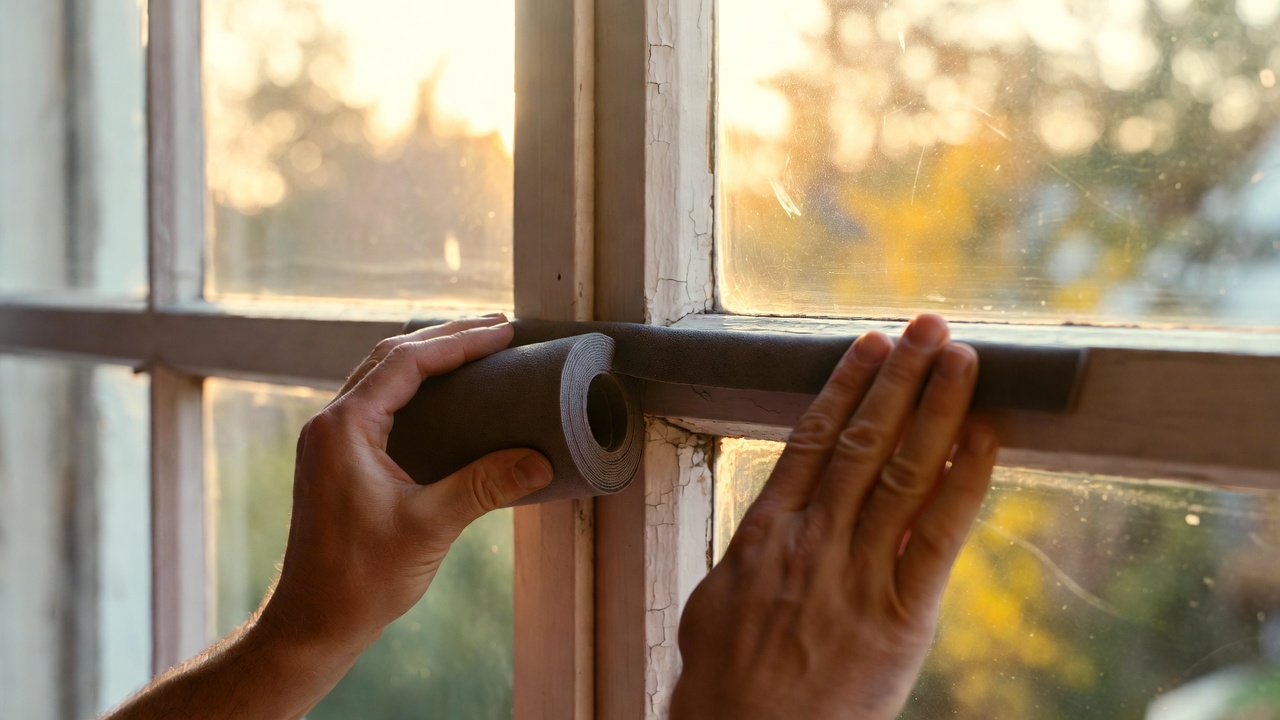
Air leaks around doors and windows account for 15–30% of heating loss in older homes. Weatherstripping is one of the fastest, cheapest energy upgrades available.
Weatherstripping installation steps:
- Inspect existing weatherstripping for cracks, compression, or gaps
- Remove old weatherstripping by peeling it away or scraping adhesive residue
- Clean the door or window frame with a dry cloth to remove dust and debris
- Measure the perimeter of each opening
- Cut new weatherstripping to length (foam tape, rubber, or silicone options work well)
- Apply new weatherstripping, pressing firmly along the entire length
- Close the door or window and check for even contact—no gaps should be visible
Focus on exterior doors first, then move to frequently opened windows. For comprehensive guidance on sealing your home, consult our article on how to weatherize an older home before fall, which includes low-cost fixes that cut energy bills.
Smoke and Carbon Monoxide Detectors: Testing and Replacing Batteries
Smoke and carbon monoxide detectors save lives. Stale batteries and non-functional units provide false security.
Detector maintenance checklist:
- Locate all smoke detectors (typically hallways, bedrooms, kitchen, basement)
- Press the test button for 3 seconds—the alarm should sound loudly
- If no sound occurs, replace batteries immediately (usually 9V or AA)
- If the alarm is silent even after battery replacement, replace the entire unit
- Check the manufacture date on the back—replace any detector older than 10 years
- Test carbon monoxide detectors using the same button method
- Ensure detectors are free of dust and cobwebs that can block sensors
September testing ensures your home is protected before heating season begins—when furnaces, fireplaces, and space heaters increase carbon monoxide risk. Install new batteries even if the old ones test fine; fresh batteries ensure reliable operation through winter.
Conclusion: Benefits of Timely Fall Maintenance and Scheduling Contractors Early
Completing your September fall home maintenance checklist prevents emergency repairs, reduces heating costs, and extends the life of critical systems. Homes maintained in early fall also avoid the contractor shortage that occurs in late October and November when everyone rushes to prepare simultaneously.
Next steps:
- Schedule a professional HVAC inspection if you haven’t had one this year
- Contact a roofing contractor now if your inspection revealed damage
- Book gutter cleaning services early—September slots fill quickly
- Set calendar reminders for monthly filter checks through March
For additional fall preparation guidance, review our end of summer home maintenance checklist to ensure you haven’t missed any critical late-August tasks. Proactive maintenance today saves thousands in repairs and prevents winter emergencies.