Early Fall Home Maintenance Checklist for Energy Savings and Winter Prep
September is the sweet spot for tackling home maintenance before winter arrives. An early fall home maintenance checklist isn’t just about preventing problems—it’s about cutting energy costs and protecting your investment when it matters most. The tasks you complete now directly impact your heating bills, indoor comfort, and structural integrity through the cold months ahead. This guide covers the essential maintenance items every homeowner should tackle in early fall.

Clean and Inspect Your Gutters
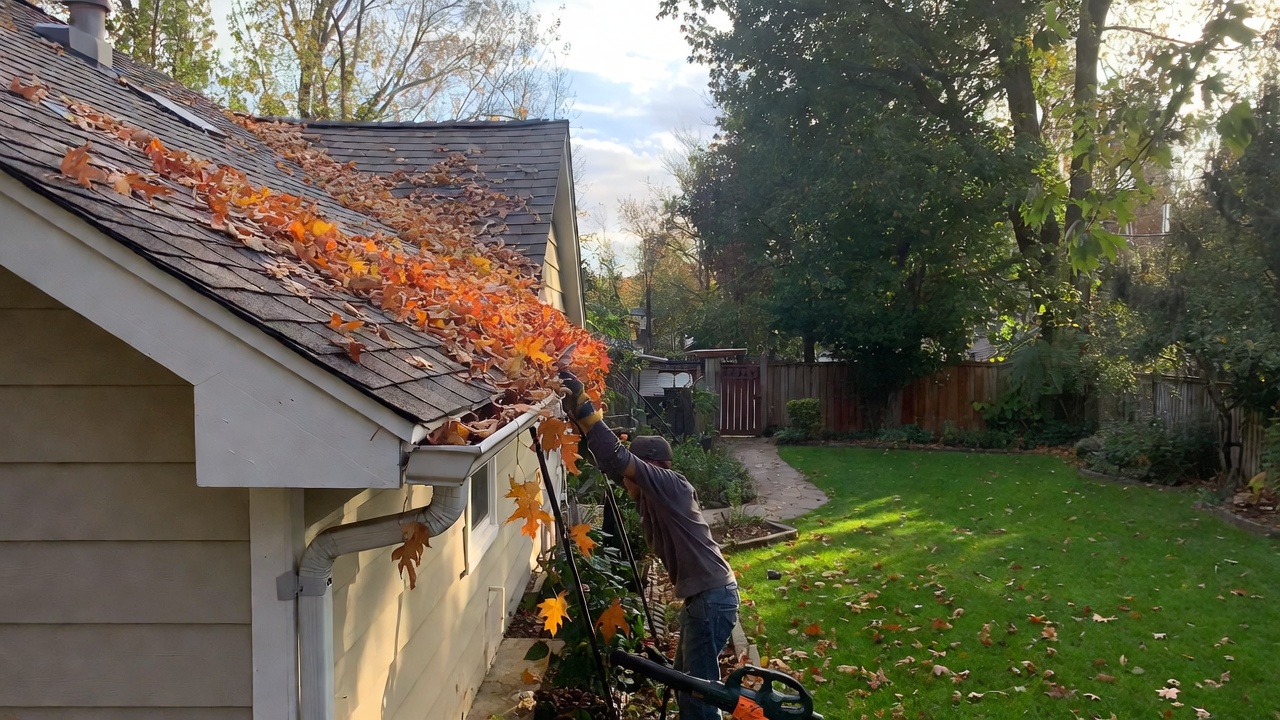
Clogged gutters are one of the most overlooked maintenance issues, yet they cause significant damage. Leaves, debris, and sediment accumulate throughout summer and early fall, blocking water flow. When gutters back up, water overflows and pools against your foundation, siding, and roof edges—leading to rot, ice dams, and costly repairs.
How to clean gutters properly:
- Use a sturdy ladder and wear gloves to remove debris by hand or with a small scoop
- Flush gutters with a garden hose to clear remaining sediment
- Check for sagging sections or separation from the roofline
- Inspect downspouts to ensure water drains at least 4–6 feet away from your foundation
- Look for rust, holes, or corrosion that signal replacement needs
Schedule this task for mid-September before leaves peak, then repeat after trees finish dropping in late fall.
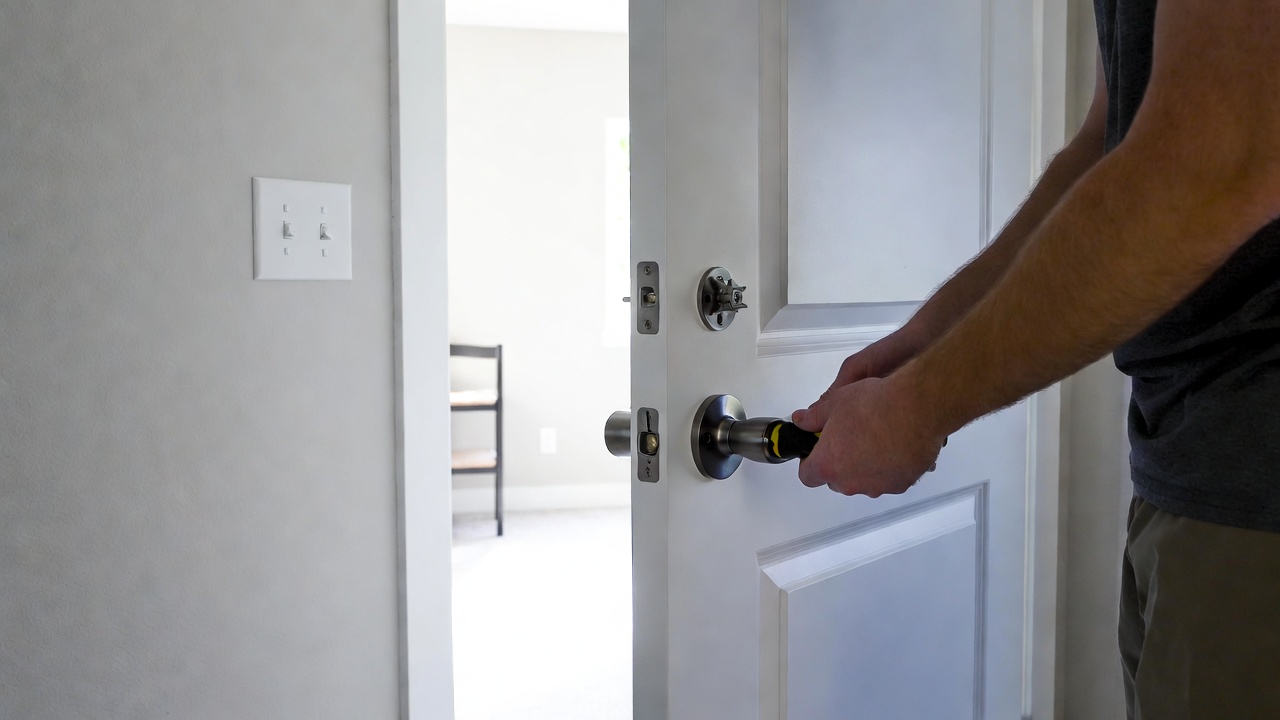
Check and Replace Weatherstripping
Air leaks around doors and windows account for 15–20% of heating loss in older homes. Weatherstripping is your first line of defense against drafts and energy waste. Early fall is the ideal time to inspect and replace worn seals before you switch on the furnace.
Steps to inspect weatherstripping:
- Close each door and window, then hold a lit candle or incense near the frame—flickering indicates air leaks
- Feel for drafts with your hand, especially around corners and hinges
- Press on existing weatherstripping; it should spring back, not feel hard or crumbly
- Check the threshold at the base of exterior doors for gaps
Replacement tips:
- Remove old weatherstripping by peeling it away slowly; use rubbing alcohol to dissolve adhesive residue
- Clean the frame with a dry cloth
- Apply new self-adhesive weatherstripping, pressing firmly for 30 seconds per section
- For doors, replace the threshold if it’s cracked or worn
For a deeper dive into weatherization strategies, see our guide on how to weatherize an older home before fall.
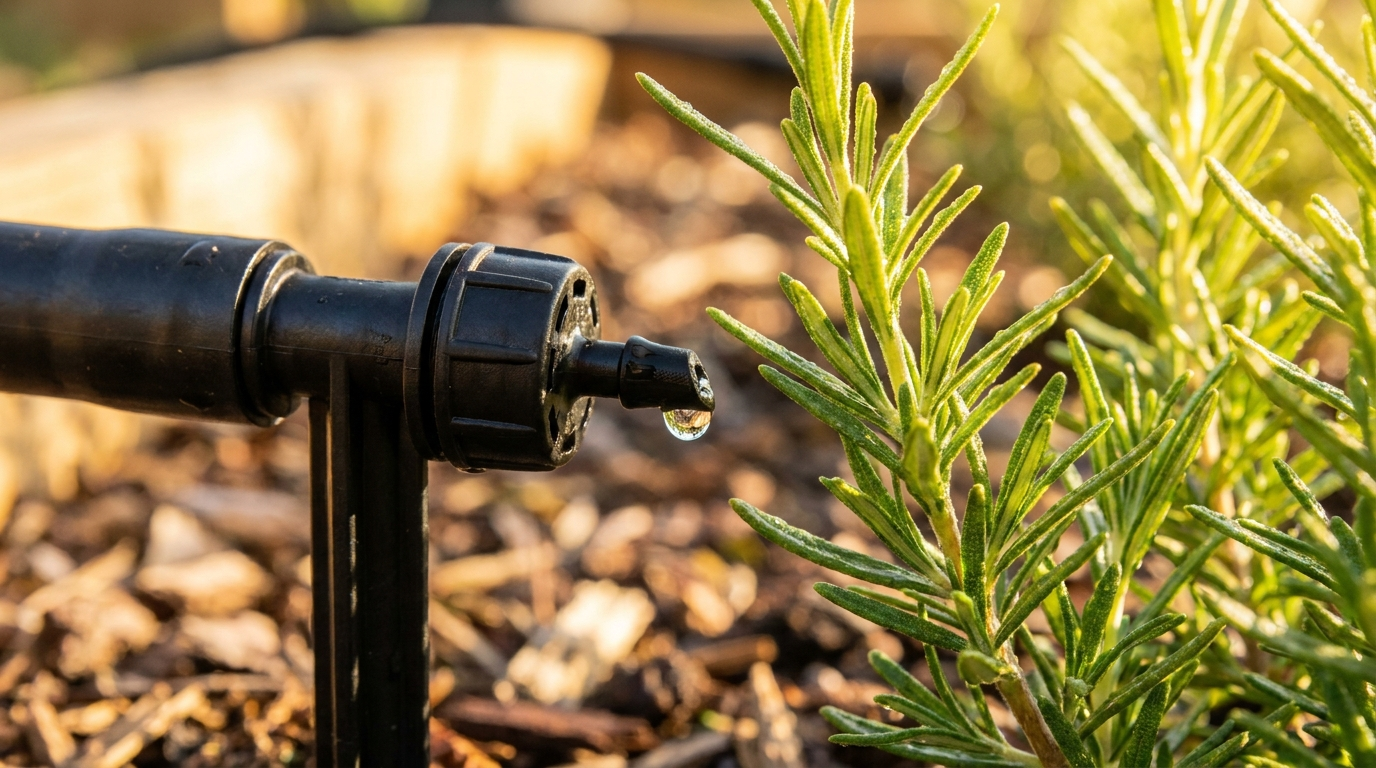
Winterize Your Hose Bibs and Outdoor Faucets
Frozen water inside outdoor faucets (hose bibs) expands and cracks pipes, causing leaks that may not appear until spring thaw. Winterizing takes 15 minutes per faucet and prevents hundreds in water damage.
How to winterize hose bibs:
- Disconnect all garden hoses and drain them completely
- Turn off the indoor shut-off valve for each hose bib (usually located inside, near the exterior wall)
- Open the outdoor faucet and leave it open to release remaining water pressure
- If your hose bib doesn’t have an interior shut-off, install a frost-proof faucet ($15–30) that automatically drains when closed
- Store hoses indoors or in a shed for the season
This task should be completed by late September in northern climates, before the first frost.
Replace Furnace Filters for Peak Efficiency
A clean furnace filter is essential for efficiency, air quality, and system longevity. Dirty filters force your furnace to work harder, increasing energy consumption and wear. Early fall is the perfect time to replace filters before heating season begins.
Furnace filter replacement guide:
- Check your furnace manual or filter housing for the correct size (typically 16×25×1, 16×25×4, or 20×25×1)
- Turn off your furnace before replacing the filter
- Note the airflow direction arrow on the old filter and install the new one in the same direction
- Replace filters every 1–3 months during heating season; use 4-inch pleated filters for longer intervals between changes
- Set a phone reminder for monthly checks during winter
A new filter costs $10–25 and can reduce heating energy use by 5–15%. This is one of the highest-ROI maintenance tasks you can do.
Fall Garden Cleanup and Soil Preparation
Your garden needs fall prep to thrive next spring. Clearing dead plants, adding compost, and protecting perennials prevents pest overwintering and improves soil health.
Early fall garden tasks:
- Remove dead annuals and spent vegetables; compost disease-free material
- Cut back perennials to 4–6 inches above soil level (leave ornamental grasses for winter interest and spring cleanup)
- Spread 2–3 inches of compost or mulch around beds to insulate roots and suppress weeds
- Plant spring bulbs (tulips, daffodils, crocuses) in September for blooms in April–May
- Divide overgrown perennials before soil cools
- Rake fallen leaves into beds as natural mulch or compost them
For more seasonal garden guidance, check out our late summer garden tasks checklist.
Budget-Friendly DIY Tips and Tools
You don’t need expensive equipment to complete these maintenance tasks. Most items are already in your garage or cost under $50 to acquire.
Essential tools for early fall maintenance:
- Ladder: A 20-foot extension ladder ($50–100) is worth the investment for gutter work and roof inspection
- Garden hose: Use your existing hose to flush gutters; a spray nozzle ($5–10) gives better control
- Gloves and safety glasses: Protect yourself from debris and sharp edges ($10–15 for quality pairs)
- Weatherstripping kit: Self-adhesive foam or rubber strips run $15–30 and cover 50+ feet
- Furnace filters: Buy a 4-pack in bulk ($30–50) and store them for the season
- Compost or mulch: Buy in bulk from local suppliers; 10 bags typically cost $30–50 versus $5–8 per bag retail
Completing these tasks yourself saves $300–600 compared to hiring contractors, and the work takes a single weekend.
Conclusion: Stay Ahead of Winter
An early fall home maintenance checklist is your roadmap to lower heating bills, fewer winter emergencies, and a home that’s ready for the season. Gutters, weatherstripping, hose bibs, furnace filters, and garden prep are non-negotiable tasks that pay dividends through spring. Start in mid-September while weather is still mild and pleasant—you’ll avoid the rush and enjoy peace of mind when temperatures drop.
For a broader perspective on seasonal maintenance, review our end of summer home maintenance checklist to ensure you haven’t missed any critical summer-to-fall transitions.