Best Times of Year for Home Improvement Projects by Season
Knowing the best times of year for home improvement projects can save you thousands in contractor costs, reduce weather delays, and ensure higher-quality workmanship. The season you choose affects everything from material availability and labor rates to weather conditions and contractor scheduling. This guide breaks down which projects work best in each season, how to book contractors strategically, and how to plan your home improvement calendar for maximum efficiency and savings.
Spring Home Improvement Projects (March-May)
Spring is the ideal season to tackle outdoor and exterior projects. Mild temperatures, longer daylight hours, and dry weather create perfect conditions for work that requires good visibility and moderate conditions. Contractors are ramping up after winter, so you’ll find good availability early in the season before peak summer demand hits.
Best Spring Projects
- Landscaping and yard work: Soil is workable, plants are actively growing, and you can see winter damage clearly. This is prime time for planting, mulching, and layout changes. Consider maximizing a small backyard with practical lawn and ground cover strategies if you’re working with limited space.
- Deck repairs and painting: Spring temperatures (50–70°F) are ideal for exterior paint and stain. Materials cure properly without extreme heat or cold.
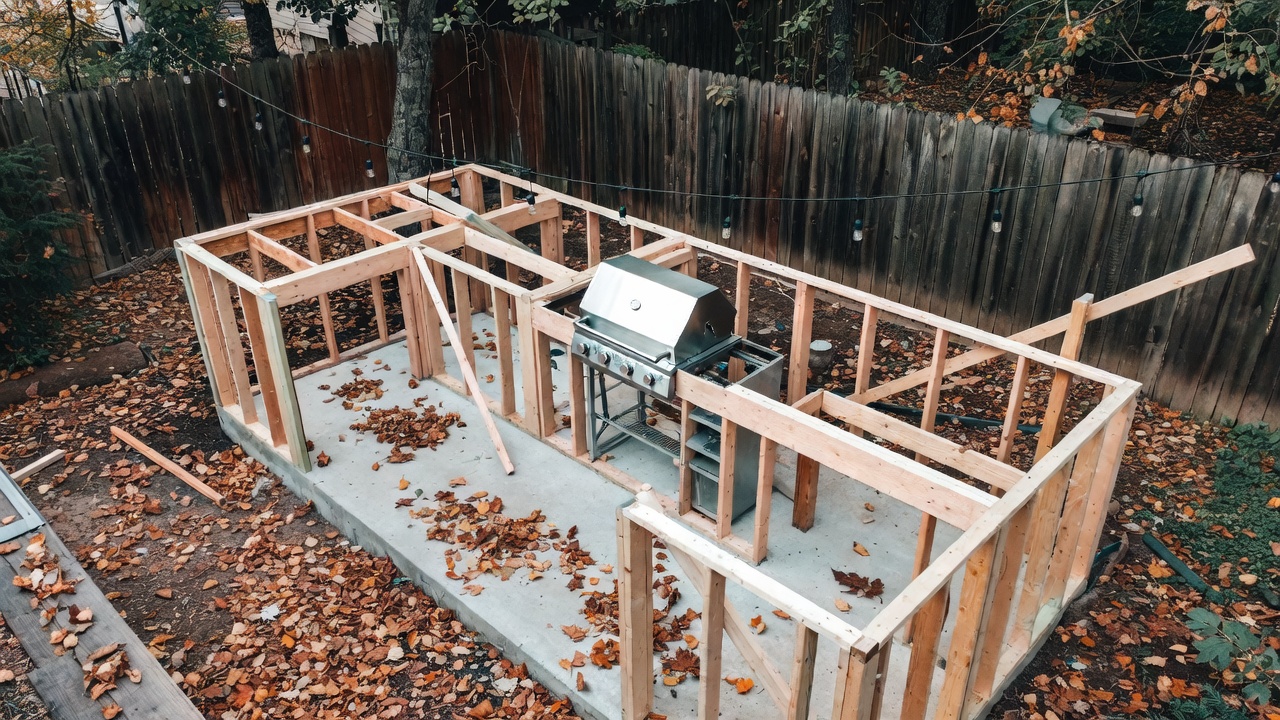
- Outdoor kitchen installation: If you’re planning summer entertaining, spring is the time to build. See our guide on how to build an outdoor kitchen for summer and fall entertaining.
- Artificial turf installation: Ground conditions are optimal, and you’ll have the lawn ready for summer use. Check out how to install artificial turf in your backyard for a step-by-step approach.
- Pressure washing and exterior cleaning: Remove winter grime before it sets in permanently.
- Gutter cleaning and repairs: Clear debris from winter and spring storms before summer rain season.
Spring Contractor Availability
Early spring (March–April) offers the best contractor availability of any season. Professionals are eager to book work after winter downtime, and rates are often lower than summer peak. Book by mid-April to secure your preferred contractors before summer demand explodes. By May, availability tightens considerably as summer projects fill the schedule.
Summer Home Renovation Timing (June-August)
Summer brings peak contractor demand and highest pricing, but it’s the essential season for major exterior work. Long daylight hours, minimal precipitation, and warm temperatures allow contractors to work longer days and complete projects faster. However, expect higher quotes and longer wait times.
Best Summer Projects
- Roofing: Warm, dry conditions are mandatory for proper installation and material curing. Summer is the only practical season for this major project.
- Siding replacement: Weather protection and material performance depend on dry conditions. Summer is ideal; spring and fall can work but carry weather risk.
- Major exterior work: Additions, new construction, foundation repairs—anything requiring extended outdoor work benefits from summer’s predictable weather.
- Concrete and paving: Asphalt and concrete cure best in warm, dry conditions. Avoid fall and spring when moisture interferes with curing.
- Window and door replacement: Dry conditions prevent water infiltration during installation. Summer minimizes this risk.
Summer Contractor Availability and Pricing
June through August is peak season. Contractors charge premium rates (often 15–25% higher than off-season), and booking windows can be 6–12 weeks out. If summer work is essential, book by late spring. Alternatively, schedule consultations in early June for late-July or August slots—you may negotiate better rates by filling gaps in their schedule.
Fall Home Projects (September-November)
Fall offers a sweet spot: cooler temperatures make exterior work comfortable, contractor availability improves as summer demand ends, and you’re prepping for winter. Interior projects also become viable as humidity drops and temperature swings stabilize.
Best Fall Projects
- HVAC maintenance and replacement: September is critical for furnace servicing before heating season. If replacement is needed, fall rates are lower than winter emergency pricing.
- Weatherization and energy efficiency upgrades: Seal air leaks, add insulation, and upgrade windows before heating season. See our guide to weatherizing an older home before fall for low-cost fixes that cut energy bills.
- Interior painting and drywall: Lower humidity means faster drying and better paint adhesion compared to summer.
- Flooring installation: Wood flooring especially benefits from fall’s stable humidity levels.
- Gutter and downspout upgrades: Prepare drainage systems before heavy fall and winter rains.
- Lawn aeration and overseeding: Early fall is optimal for cool-season grass recovery. Learn more in our guide to September lawn aeration and overseeding.
Fall Contractor Availability
September and early October still see moderate demand. By late October, availability opens significantly as summer-focused contractors finish their schedules. Rates drop 10–20% below summer peaks. This is an excellent window for interior work and non-emergency exterior projects.
Winter Home Improvement Ideas (December-February)
Winter is ideal for interior renovations. Contractors have the most availability of any season, rates are lowest, and weather doesn’t interfere with interior work. However, exterior projects are risky due to cold temperatures affecting material curing and installation quality.
Best Winter Projects
- Kitchen and bathroom remodels: These are indoor projects unaffected by cold weather. Winter rates can be 20–30% lower than summer.
- Interior painting and drywall: Controlled indoor conditions ensure perfect results year-round.
- Flooring installation: Interior flooring isn’t weather-dependent. Winter is cost-effective timing.
- Electrical and plumbing upgrades: Interior work proceeds normally regardless of season.
- Basement finishing: No weather delays for interior projects.
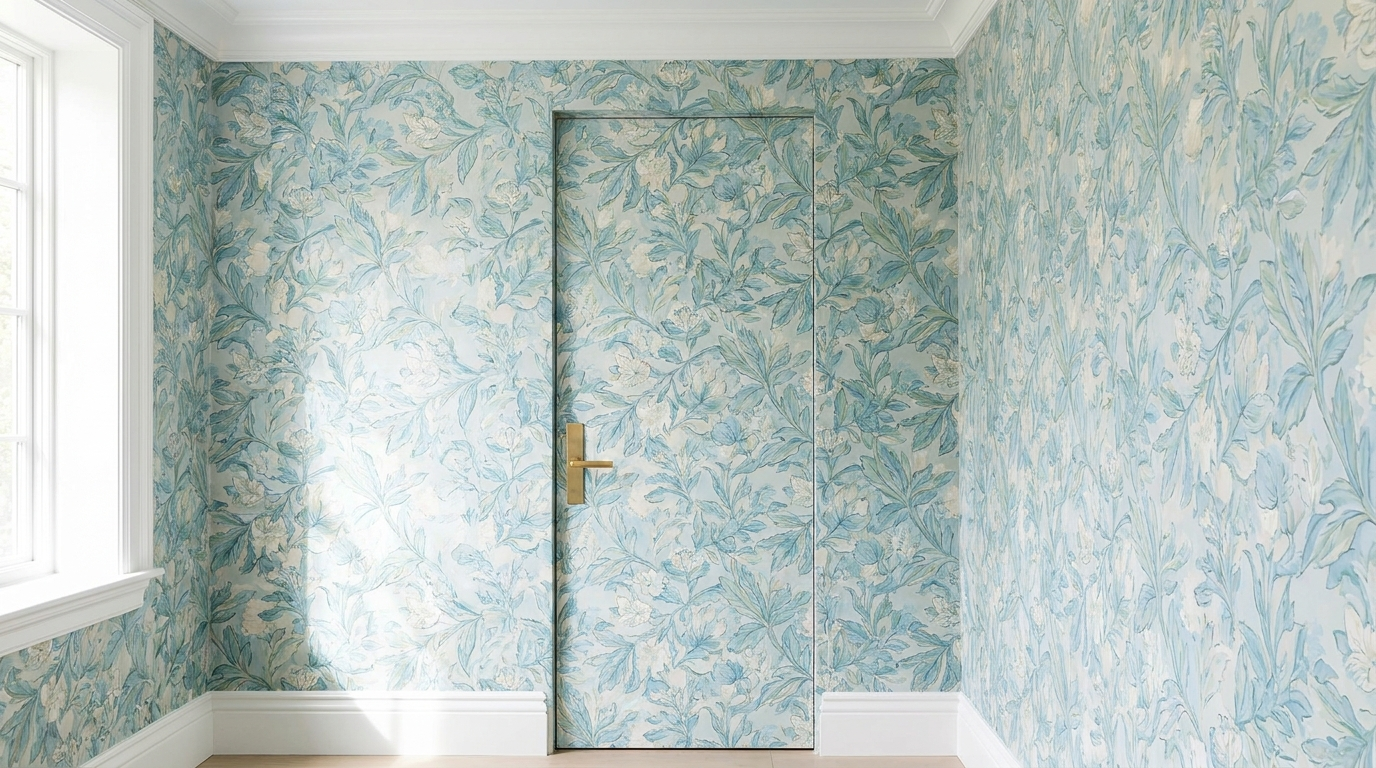
- Hardware and surface swaps: Quick interior updates that refresh any room without weather concerns. Check out small hardware and surface swaps that instantly refresh any room.
Winter Contractor Availability and Pricing
January and February offer the best contractor availability and lowest rates of the year. Many professionals have open schedules and are willing to negotiate. December can be slower due to holidays, but post-holiday January is prime booking time. If you need interior work done affordably with minimal scheduling stress, winter is your season.
Contractor Availability by Season: Peak Demand Periods and Booking Strategies
Understanding contractor schedules helps you secure better pricing and faster completion times.
Seasonal Demand Patterns
- Spring (March–May): Moderate to high demand. Early spring offers the best availability before summer rush. Book by mid-April.
- Summer (June–August): Peak demand. Book 8–12 weeks in advance. Premium pricing. Expect longer project timelines due to contractor juggling multiple jobs.
- Fall (September–October): Moderate demand. Late September through October offers good availability and lower rates than summer.
- Winter (November–February): Lowest demand. Best availability and rates. December is slower; January–February are optimal for booking.
Booking Strategies for Better Rates
- Book off-season projects in advance: If you need summer work, book in February or March. If you need winter work, book in September.
- Be flexible with timing: Contractors offer discounts for projects that fit gaps in their schedule. Ask what dates offer the best pricing.
- Bundle projects: Contractors often discount when you hire them for multiple jobs. Combine interior and exterior work to negotiate better rates.
- Negotiate payment terms: Offering upfront deposit or full payment can secure discounts in slow seasons.
- Get multiple quotes in off-season: Winter and early fall competition is higher, driving quotes down naturally.
Weather Considerations for Different Project Types
Weather directly impacts material performance, curing times, and workmanship quality. Match your project to ideal weather conditions.
Temperature Impacts
- Roofing and siding: Require 50–85°F range. Asphalt shingles become brittle below 50°F and can tear during installation. Sealants don’t cure properly below 50°F or above 90°F.
- Painting and staining: Optimal range 50–85°F. Paint doesn’t adhere properly in cold, and humidity from temperature swings causes adhesion failure. Avoid early spring and late fall temperature fluctuations.
- Concrete and asphalt: Require 50°F minimum for proper curing. Winter work is impossible; summer is mandatory.
- Interior work: Temperature-independent. Proceed year-round.
Humidity and Precipitation
- High humidity (summer): Slows paint drying, promotes mold growth, interferes with material adhesion. Interior work benefits from lower fall humidity.
- Rain and snow: Stops exterior work immediately. Spring and fall have unpredictable precipitation. Summer is drier in most regions. Winter precipitation makes exterior work impossible.
- Dry conditions: Essential for roofing, siding, painting, and concrete. Summer offers the most reliable dry windows.
Budget Planning Across Seasons: Cost Variations and Off-Season Discounts
Seasonal pricing variations can save or cost you thousands. Strategic timing directly impacts your budget.
Typical Cost Variations by Season
- Spring: 5–15% above winter baseline. Early spring offers better rates than late spring.
- Summer: 15–30% above winter baseline. Peak pricing. Roofing and siding are most expensive June–August.
- Fall: 5–10% above winter baseline. Late fall approaches winter pricing.
- Winter: Baseline pricing. 20–30% cheaper than summer for interior projects. Some contractors offer additional discounts to fill winter schedules.
Maximizing Budget Efficiency
- Plan interior work for winter: Kitchen and bath remodels cost significantly less January–February than June–August.
- Schedule exterior work strategically: If roofing is needed, book for late spring or early fall rather than peak summer. You’ll save 10–20%.
- Use off-season for planning: Get quotes and designs finalized in winter when contractors have time for detailed consultations. Lock in pricing before spring demand hits.
- Negotiate bundled projects: Combining interior and exterior work with one contractor often yields 10–15% discounts.
- Ask about off-season specials: Many contractors offer January–February promotions to build winter revenue.
Quick Project Checklist by Season: Ready-to-Use Planning Guide
Spring Checklist (March–May)
- ☐ Book contractors for summer projects by mid-April
- ☐ Plan and start landscaping projects
- ☐ Pressure wash exterior surfaces
- ☐ Repair or paint decks and outdoor structures
- ☐ Install outdoor kitchen or major landscape features
- ☐ Clean gutters and downspouts
- ☐ Inspect roof for winter damage
Summer Checklist (June–August)
- ☐ Execute roofing and siding projects
- ☐ Complete concrete and paving work
- ☐ Install windows and doors
- ☐ Finish major exterior additions or renovations
- ☐ Don’t start interior projects (heat and humidity complicate work)
Fall Checklist (September–November)
- ☐ Service and replace HVAC systems (September priority)
- ☐ Weatherize home and seal air leaks
- ☐ Upgrade insulation and windows
- ☐ Start interior painting and drywall projects
- ☐ Install interior flooring
- ☐ Aerate and overseed lawn (early September)
- ☐ Get quotes for winter interior projects
Winter Checklist (December–February)
- ☐ Execute kitchen and bathroom remodels
- ☐ Complete interior painting and drywall
- ☐ Install interior flooring
- ☐ Finish basement or bonus room projects
- ☐ Update hardware and finishes
- ☐ Plan and design next year’s projects
- ☐ Get multiple quotes for spring and summer work
Conclusion: Creating Your Seasonal Home Improvement Calendar
The best times of year for home improvement projects depend on three factors: weather conditions, contractor availability, and your budget. Spring and early fall offer moderate pricing and good weather. Summer is essential for major exterior work but carries premium costs. Winter provides the lowest rates and best contractor availability for interior projects.
Create a 12-month calendar mapping your priorities: exterior projects in spring or early fall, major structural work in summer, interior updates in winter. Book contractors 8–12 weeks ahead for summer work, 4–6 weeks for spring and fall, and 2–4 weeks for winter. This approach minimizes delays, secures better pricing, and ensures higher-quality workmanship by matching projects to ideal conditions.
Start planning now: identify which projects matter most, determine their ideal seasons, and book consultations accordingly. You’ll save thousands and complete projects faster by working with seasonal rhythms instead of against them.