
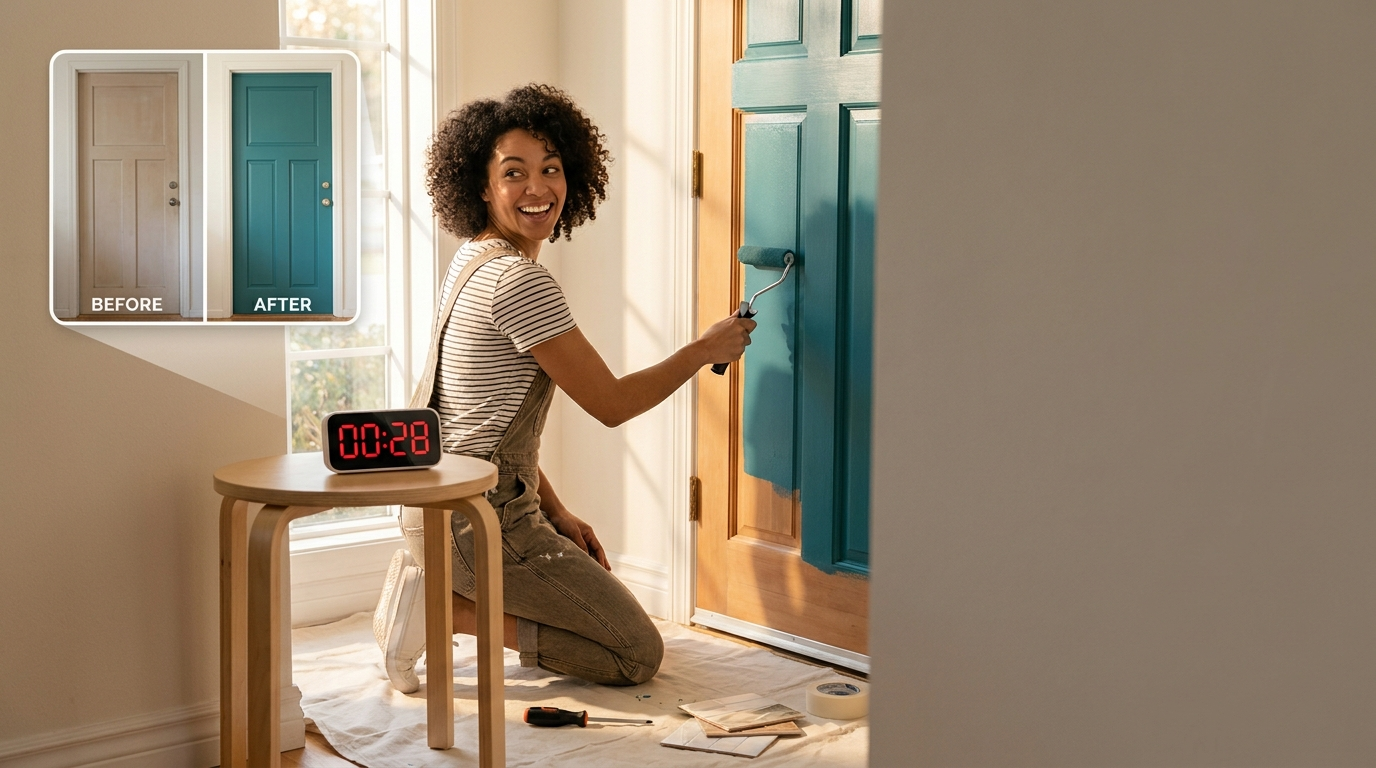
DIY home projects offer homeowners a refreshing way to transform their living spaces quickly and affordably. With an increasing number of people seeking efficient and budget-friendly home upgrades, even simple improvements can yield significant impact without professional help or costly materials.
For busy individuals, quick-win projects that take under 30 minutes are ideal. These DIY tasks include simple swaps and installations requiring minimal tools. For example, replacing cabinet knobs is a straightforward upgrade that costs about $15 for a set of knobs and takes only approximately 20 minutes. Materials needed include a screwdriver, new knobs, and optionally a small tape measure for spacing. Beginner-friendly, this project refreshes cabinetry with a modern or personalized touch.
Another fast project is installing peel-and-stick backsplash tiles. With basic scissors and a utility knife, homeowners can apply these tiles directly onto clean walls in under half an hour. Costs range from $20 to $50 depending on style and coverage. This upgrade dramatically elevates kitchen aesthetics while requiring no grout or special tiling skills.
Other quick projects worth considering are swapping out outdated light switch covers, creating decorative wall art using inexpensive supplies, installing curtain rods, applying removable wallpaper to an accent wall, and updating door handles. Each takes roughly 15 to 30 minutes, with materials typically under $20, making them accessible for most budgets.
Stepping up to medium-term projects that can be completed within 30 to 60 minutes allows for more impactful home improvements. For instance, painting an accent wall with low-VOC paint serves as both a style upgrade and an environmentally safer choice. Expect to spend around $30 to $50 on supplies including paint, brushes, and painter’s tape. Proper ventilation and protective gear are recommended for safety.
Replacing outdated faucets in bathrooms or kitchens is another 30–60 minute task. While requiring basic plumbing tools, many models come with installation kits and clear instructions suitable for DIYers. Material costs typically start at $50 but vary widely based on style and finish.
Additional projects in this category are installing floating shelves to add storage and display space, changing light fixtures for ambiance upgrades, applying weather-stripping or draft stoppers to improve energy efficiency, and adding peel-and-stick tile flooring for a fast floor makeover. Each of these upgrades balances cost, effort, and noticeable benefits.
Utilizing the right tools and materials safeguards your DIY success and personal safety. A recommended basic toolkit includes a cordless drill, a set of screwdrivers, a utility knife, a tape measure, a level, and protective gloves. For renters or those cautious about drilling, removable adhesive hooks and no-drill anchors serve as excellent alternatives.
Choosing eco-friendly materials aligns with sustainable living values. Low-VOC paints and non-toxic finishes reduce indoor air pollution, while recycled or sustainably sourced wood and tile options provide greener choices. For more detailed environmental guidance on home materials, the Environmental Protection Agency’s Green Home resources offer valuable insights EPA green home guidelines.
Budgeting remains a critical component of successful DIY home projects. Preparing a shopping checklist that details essential materials along with estimated price ranges can prevent overspending and streamline trips to suppliers. Printable checklists and templates not only track purchases but also help plan project stages efficiently.
Visual guides significantly enhance user confidence and results. Before-and-after photo galleries illustrate potential transformations, while time-lapse and step-by-step video tutorials provide actionable instructions. User-submitted project photos foster an engaged and inspired community. For examples of inspiring project visuals, HGTV’s DIY home projects gallery offers extensive imagery.
Seasonal and regional considerations optimize project success and curb appeal. Using weather-resistant materials in humid climates or frost-resistant finishes in colder regions extends the lifespan of improvements. Seasonal plant choices around outdoor projects affect appearance and maintenance. Timing projects with favorable weather conditions also avoids complications.
For homeowners eager to integrate technology, smart home gadgets can enhance both convenience and property value. Products ranging from automated lighting controls to smart thermostats and security systems elevate daily living without overwhelming complexity, particularly in smaller living spaces. Explore a curated list of such technology-enhancing products at smart home gadgets for small apartments.
Budget-conscious decorators may find instant upgrades with affordable yet visually impactful Amazon home products, offering a luxury look for less. Insights on cost-effective style enhancement are available at affordable home products for a luxe appearance. Those intrigued by emerging household technology should also reference the top tech gadgets ranked for 2025 to stay ahead in home innovation.
Resources like Better Homes & Gardens provide expert DIY project ideas and detailed instructions for various skill levels and styles Better Homes & Gardens DIY project tips. Comprehensive, accessible, and practical, these guides equip enthusiasts to confidently undertake home projects that enhance both aesthetics and function.
In conclusion, a well-planned approach to DIY home projects transforms spaces effectively and with minimal stress. Starting with quick wins builds momentum, progressing toward higher-impact improvements that offer lasting satisfaction. Integrating safety, eco-conscious materials, and appropriate tools ensures success and sustainability. By combining visual aid access, budget planning, and seasonal awareness, homeowners can maximize investment in their living environments while enjoying the creative process.
One thought on “Effortless DIY Home Projects to Transform Your Space Fast”