Stair Renovations That Add Home Value: High-ROI Upgrades Homeowners Miss
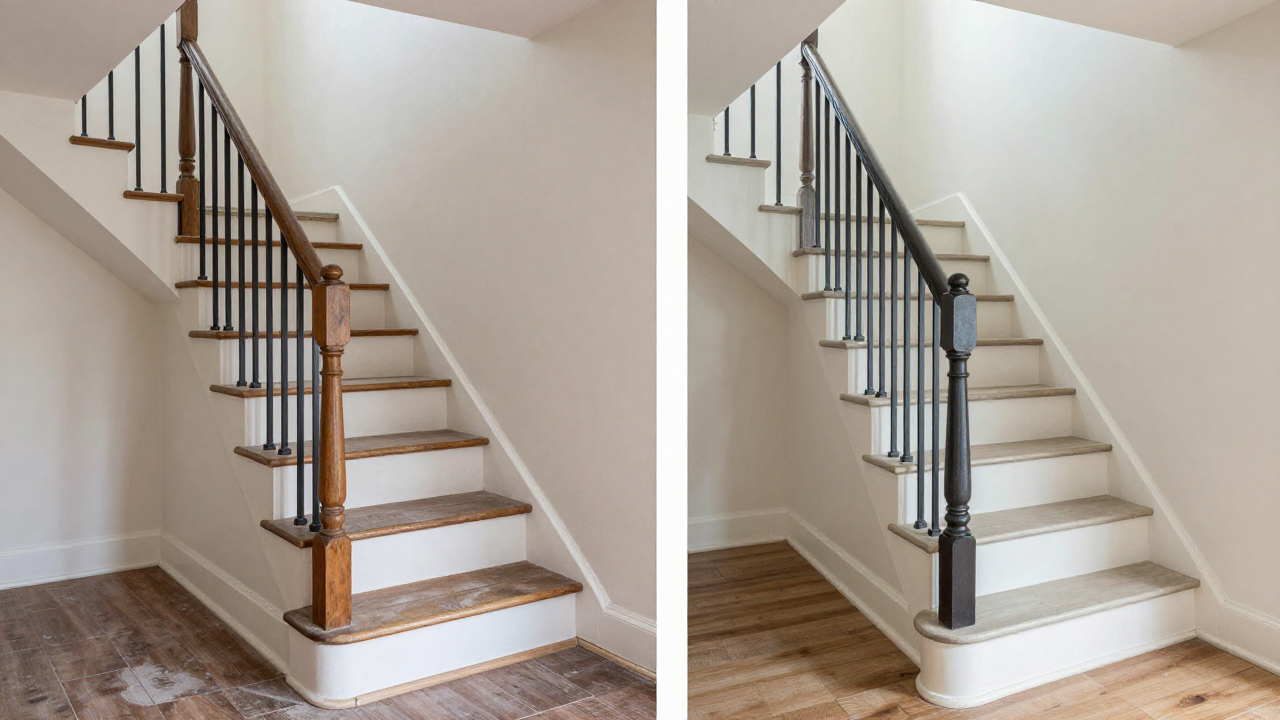
Stair renovations that add home value are often overlooked by homeowners focused on kitchens and bathrooms, yet they deliver outsized returns on investment. Your staircase occupies prime real estate in your home—it’s one of the first things buyers or visitors notice, and it directly impacts how people perceive your entire property. The good news: you don’t need a complete rebuild to see measurable value gains. Strategic upgrades to railings, treads, runners, paint, and finishes can transform stairs from a liability into a selling point, often for less than $2,000 to $5,000 in total investment.
The ROI Breakdown: What Stair Upgrades Actually Return
Understanding the return on investment for stair work helps you prioritize which upgrades make financial sense. Most homeowners recoup 50–70% of stair renovation costs at resale, with some high-impact combinations reaching 80%+ returns. This compares favorably to many home improvements and significantly outperforms generic cosmetic fixes.
- Railing replacement: $800–$2,500 investment, typically returns 60–75%
- Tread and runner installation: $400–$1,500 investment, returns 55–70%
- Professional paint and finish: $300–$800 investment, returns 65–80%
- Combined stair package: $1,500–$4,500 investment, returns 65–75%
The key driver of ROI is perceived safety and quality. Buyers equate worn, unsafe, or visually dated stairs with deferred maintenance elsewhere in the home. Conversely, clean, modern, well-maintained stairs signal that the entire property has been cared for.
Railing Replacements: Safety Meets Curb Appeal
Outdated or damaged railings are one of the first things home inspectors flag and one of the quickest turnoffs for buyers. Replacing railings is also one of the highest-impact stair upgrades you can make.
Why Railings Matter for Value
Old wooden railings that are loose, splintered, or wobbly immediately suggest neglect. Modern railings—whether steel cable, metal balusters, or updated wood designs—convey safety, contemporary taste, and investment in the home. Building codes also require railings on stairs with four or more risers, so non-compliant railings can actually block a sale.
Railing Options and Costs
- Wood baluster replacement: $60–$120 per linear foot installed; classic, warm look; easy to paint or stain
- Metal balusters (steel/aluminum): $80–$150 per linear foot; modern, durable, minimal maintenance
- Cable railing: $100–$200 per linear foot; contemporary, unobstructed views, premium aesthetic
- Glass panels: $120–$250 per linear foot; luxury appearance, requires regular cleaning
For most homes, wood baluster replacement or metal baluster upgrades deliver the best ROI. They’re affordable, comply with code, and appeal to a broad buyer base.
Stair Treads and Runners: Comfort and Visual Impact
Worn treads—the horizontal steps you walk on—are both a safety and aesthetic problem. Replacing treads or adding runners is a practical upgrade that buyers immediately appreciate.
Tread Replacement vs. Runner Installation
Full tread replacement involves removing old treads and installing new hardwood, engineered wood, or composite treads. This is the premium option and typically costs $100–$200 per step installed. It’s ideal if your current treads are damaged, thin, or mismatched.
Stair runners are carpet or wool runners that cover the center of treads and risers. They cost $30–$80 per step installed and are faster to install than full replacement. Runners add warmth, reduce noise, and improve safety by providing traction. They also hide minor wear on underlying treads.
For maximum ROI, pair runner installation with tread refinishing (sanding and staining visible edges). This gives you 80% of the visual impact at 40% of the full-replacement cost.
Material Choices That Sell
- Hardwood treads: Oak, maple, or walnut; timeless appeal; can be refinished
- Luxury vinyl treads: Waterproof, durable, budget-friendly; modern look
- Wool runners: Premium feel; natural sound dampening; neutral colors work in any home
- Polypropylene runners: Affordable, stain-resistant; good for high-traffic homes
Paint and Finish: The Budget-Friendly Transformation
Fresh paint is the single cheapest, fastest way to transform stairs. A professional paint job on stairs costs $300–$800 and can return 65–80% of its cost.
Strategic Stair Painting
- Paint treads and risers a bold accent color: Creates visual interest and makes stairs feel intentional, not neglected
- Paint risers white or light gray, keep treads natural or dark: A classic, safe choice that works in most homes
- Paint entire staircase and railings one cohesive color: Unifies the space and creates a polished look
- Add a contrasting stair stripe: Paint a 2–3 inch stripe along the edge of each tread for safety and visual pop
Use high-quality, durable paint rated for high-traffic areas (semi-gloss or satin finish). Stairs take a beating, and cheap paint will chip and wear quickly, undoing your investment.
Refinishing Wood Stairs
If you have hardwood stairs, professional refinishing costs $800–$1,500 but returns 70–80% of investment. Sanding, staining, and sealing brings dull stairs back to life and is one of the most impactful single upgrades you can make. The process takes 3–5 days and requires temporary stair closure, but the results are dramatic.
Combining Upgrades: The Complete Stair Renovation Strategy
The highest ROI comes from combining complementary upgrades rather than doing one in isolation. A complete stair renovation package typically includes:
- Railing replacement or refinishing
- Tread refinishing or runner installation
- Fresh paint on risers and walls
- Updated lighting (recessed or pendant fixtures above stairs)
- Refinished or replaced handrails
This combined approach costs $2,000–$5,000 but creates a cohesive, high-end appearance that justifies a higher home price. Buyers perceive the stairs as a designed feature, not a functional necessity.
Timing matters too. Schedule stair work as part of a broader home refresh. Pair it with small hardware and surface swaps in adjacent rooms to amplify the sense of thoughtful renovation throughout your home.
Before and After: Real Examples and Cost Comparisons
Here’s how three common scenarios break down:
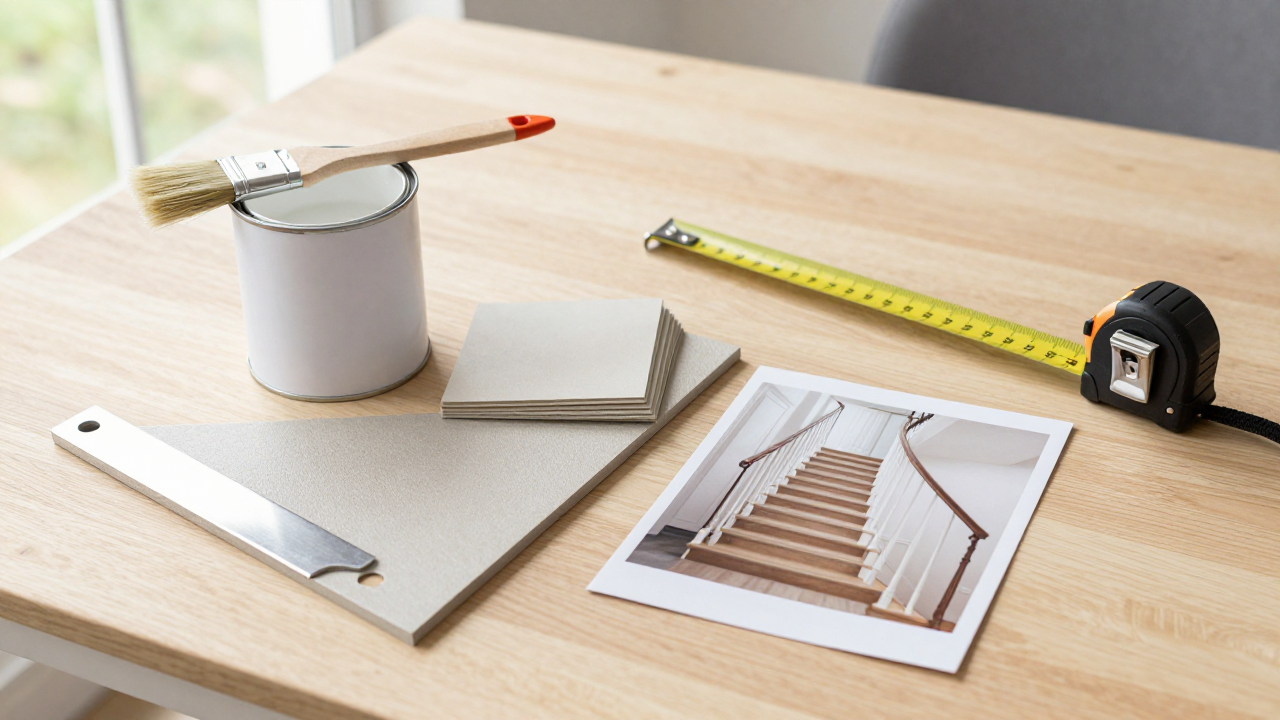
Scenario 1: Budget Refresh ($1,200 investment)
- Professional paint on risers and treads: $400
- Stair runner installation: $600
- Railing touch-up and hardware refresh: $200
- Estimated ROI: 65–70% ($780–$840 recovered)
Scenario 2: Mid-Range Renovation ($3,000 investment)
- Hardwood tread replacement: $1,200
- Metal baluster railing upgrade: $1,000
- Professional paint: $400
- Lighting upgrade: $400
- Estimated ROI: 70–75% ($2,100–$2,250 recovered)
Scenario 3: Premium Overhaul ($4,500 investment)
- Hardwood refinishing: $1,200
- Cable railing system: $1,500
- Custom runner installation: $800
- Professional paint and finishes: $500
- Lighting and handrail upgrade: $500
- Estimated ROI: 72–78% ($3,240–$3,510 recovered)
DIY vs. Professional Installation: When to Call Help
Some stair upgrades are DIY-friendly; others require professional skill. Knowing the difference saves money and prevents costly mistakes.
DIY-Friendly Projects
- Painting stairs: Requires prep work, multiple coats, and patience, but no special skills. Budget 2–3 weekends.
- Installing stair runners: Straightforward if stairs are in good condition. Requires a staple gun and basic measuring.
- Replacing handrails: Doable if the mounting brackets are in good condition and you’re comfortable with basic hardware installation.
- Adding stair lighting: Only if you’re comfortable with basic electrical work or adding plug-in fixtures.
Hire a Professional For
- Railing replacement: Requires precise measurements, code compliance, and secure installation. Mistakes are safety hazards.
- Hardwood tread replacement: Demands precision carpentry and proper fastening. Poorly installed treads are dangerous.
- Hardwood refinishing: Sanding creates dust, requires specialized equipment, and mistakes are hard to fix. Professional results are worth the cost.
- Structural repairs: If stairs are squeaky, wobbly, or damaged underneath, call a carpenter.
For most homeowners, hiring professionals for railings and treads and tackling paint or runners yourself balances cost savings with quality results. A poorly installed railing or tread is a liability; a slightly imperfect paint job is forgivable.
Timeline and Planning: Getting Stairs Done Right
Stair work disrupts your home, so planning the timeline carefully is essential. Here’s a realistic schedule:
One-Week Refresh (Paint + Runner)
- Day 1–2: Prep (remove furniture, protect walls, sand if needed)
- Day 3–4: Paint (primer and two coats)
- Day 5–6: Runner installation
- Day 7: Final touch-ups and cleanup
Two-Week Renovation (Railings + Treads + Paint)
- Days 1–3: Railing removal and new railing installation
- Days 4–6: Tread replacement or refinishing
- Days 7–9: Paint and finishing
- Days 10–14: Cure time and final inspection
Planning Tips
- Schedule work during a time when you can use alternate routes (if your stairs are the main access, plan accordingly)
- Arrange for dust containment if doing sanding or refinishing—it spreads throughout your home
- Plan for cure time; freshly painted or sealed stairs need 24–48 hours before normal use
- Coordinate with other home projects to minimize disruption
For guidance on scheduling home improvement work strategically, review the best times of year for home improvement projects to maximize contractor availability and seasonal conditions.
Conclusion: Small Project, Major Returns
Stair renovations that add home value don’t require a major overhaul. Strategic upgrades to railings, treads, runners, and paint deliver 65–80% ROI and transform a functional necessity into a design feature that buyers notice and remember. Whether you invest $1,200 in a budget refresh or $4,500 in a premium renovation, the returns are measurable and the impact is immediate.
Start with a clear assessment of your current stairs: Are railings safe and code-compliant? Are treads worn or damaged? Is paint fresh or faded? Then prioritize based on what will have the most visual and safety impact. For most homes, combining railing work with tread refinishing and fresh paint delivers the best balance of cost and return.
If you’re planning a broader home refresh, pair stair work with other high-ROI projects. Consider tackling common DIY home repairs in adjacent areas to create a cohesive sense of thoughtful renovation. The goal is to signal to buyers that your home has been well-maintained and intentionally upgraded—and few things communicate that as clearly as beautiful, safe, well-finished stairs.